Lawyer Israelito Torreon Defends Actions in CIDG Obstruction of Justice Case
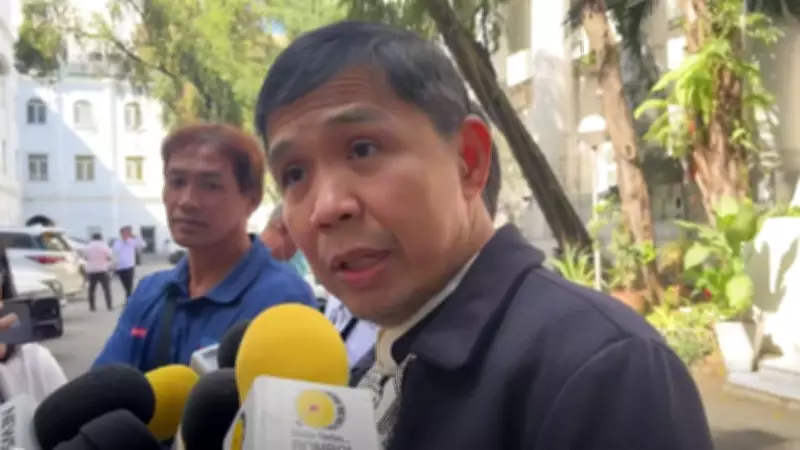
Attorney Israelito Torreon has firmly stated that he was simply carrying out his professional responsibilities as legal counsel for Kingdom of Jesus Christ (KJC) Pastor Apollo Quiboloy. This declaration came in response to a complaint filed by the Criminal Investigation and Detection Group (CIDG) accusing him of obstruction of justice.
Torreon Submits Rejoinder Affidavit to Department of Justice
In a recently submitted rejoinder affidavit to the Department of Justice (DOJ), Torreon emphasized his readiness to defend himself against the allegations. He argued that the CIDG's claims are excessive and unfounded, asserting that his actions were a standard part of his duty to protect his client's interests.
Torreon contends that the CIDG lacks any substantial evidence or basis for the obstruction of justice charge levied against him. He maintains that his legal advocacy for Quiboloy falls within the ethical boundaries of legal practice and should not be misconstrued as criminal behavior.

Background on the Quiboloy Case
This legal dispute stems from the 2024 arrest of Pastor Apollo Quiboloy by the CIDG at the KJC Compound. Quiboloy faces serious charges, including sexual abuse of minors and qualified human trafficking, which have drawn significant public and legal scrutiny.
Torreon's involvement as Quiboloy's lawyer has placed him under the CIDG's radar, leading to the current obstruction of justice complaint. The case highlights the tensions between law enforcement agencies and defense attorneys in high-profile criminal proceedings.
Next Steps in the Legal Process
If the CIDG does not file a rejoinder to Torreon's affidavit, the DOJ may proceed to resolve the obstruction of justice complaint against him. This could involve:
- A review of the evidence presented by both parties
- A determination on whether the charges have merit
- Potential legal consequences for Torreon if the complaint is upheld
The outcome of this case could set a precedent for how legal defense work is interpreted in relation to obstruction laws, impacting attorney-client relationships in the Philippines.