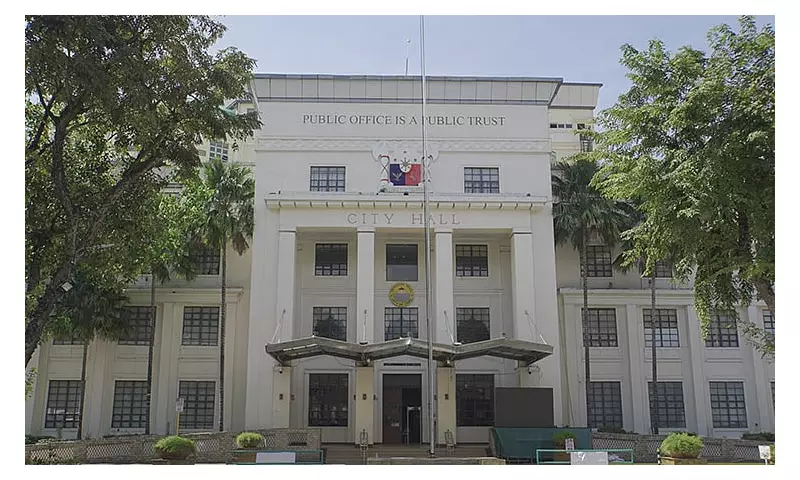
The Cebu City government has taken a decisive step towards modernizing its financial systems with the approval of a new ordinance designed for the digital age.
A New Era of Digital Transactions
On November 25, 2025, the Cebu City Council officially passed the ePayment Ordinance. This landmark legislation authorizes the City Government to begin accepting a wide array of payments, including taxes, fees, and fines, through various digital platforms. The move is designed to modernize local revenue collection by integrating bank-based systems and popular e-wallets, thereby reducing the reliance on face-to-face transactions. For those who are not yet comfortable with digital methods, the option to pay using physical cash or checks will remain available.
Convenience at a Cost and Guaranteed Security
The scope of this new system is comprehensive. Residents and business owners in Cebu City will be able to settle their financial obligations online, covering everything from business permits and licenses to building clearances and traffic violation fines. This provides constituents with 24/7 access to government payment channels, eliminating the need to visit a physical collection outlet during office hours.

However, the speed and convenience come with a small price. The City Government will not absorb the cost of these digital transactions. Instead, users will shoulder the convenience fees, which are paid directly to the service providers. A representative from GCash, one of the anticipated payment channels, indicated that fees are expected to be around P10 for pay QR and online transactions, and P15 for pay bills.
Addressing potential concerns about legitimacy and safety, City Treasurer Emma Villarete confirmed that digital receipts carry the same legal weight as traditional printed ones, as recognized by Commission on Audit rules. Furthermore, the ordinance mandates that the chosen electronic collection system must employ end-to-end encryption and real-time processing to protect users from fraudulent activities.
Protocols for Errors and Broader Implications
The legislation also establishes clear protocols for handling transaction errors. For failed transactions, providers must have automated procedures to detect the failure, immediately notify the client, and trigger a retry mechanism. In cases of overpayment, the City Treasurer’s Office prefers issuing a tax credit for future liabilities rather than processing a direct refund, which is considered a more tedious process.
The overall shift to digital payments is expected to have significant positive implications. It is projected to streamline operations at City Hall by drastically reducing long queues. For the government, it minimizes the risks associated with handling large amounts of physical cash and strengthens transparency in the collection process. By aligning with national frameworks like the Electronic Commerce Act of 2000 and the Anti-Red Tape Act of 2007, Cebu City is moving decisively toward a more modernized and efficient bureaucracy.
As stated by Councilor Labella, the goal is clear: "We modernize government transactions, strengthen transparency, and provide consumers with reliable and convenient options for payment."