Cebu City Council Pursues Multiple Avenues for Disaster Investigation
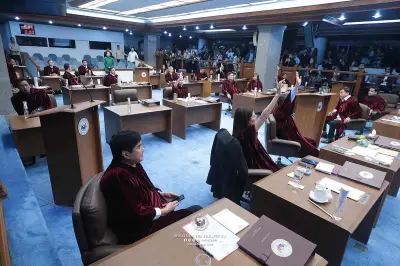
Following the tragic collapse of the Binaliw landfill on January 8, 2026, which claimed at least 36 lives, the Cebu City Council is exploring various methods to gather crucial information beyond traditional public hearings. While Vice Mayor Tomas Osmeña has expressed opposition to a formal council investigation, legislative bodies possess multiple tools for fact-finding in aid of their oversight and legislative functions.
Beyond Public Hearings: Alternative Information Sources
Public hearings, though valuable for consulting constituents and maintaining political optics, represent just one approach to gathering disaster information. The City Council possesses several alternative mechanisms:
- Formation of specialized research teams within the Sanggunian with dedicated expertise and time that councilors typically lack
- Collection of reliable data from municipal departments including the Department of Public Services and Solid Waste Management Board
- Integration of findings from national agency investigations conducted by the Department of Environment and Natural Resources (DENR) and National Bureau of Investigation (NBI)
During a recent executive session on January 28, councilors discussed improving oversight procedures for solid waste disposal, acknowledging that oversight failures may have contributed to the disaster alongside natural factors.

Osmeña's Position and Investigative Nuances
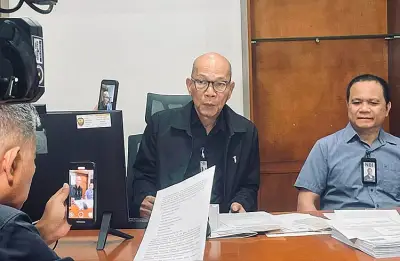
Vice Mayor Tomas Osmeña has publicly rejected calls for a City Council investigation into the landfill collapse, arguing that such proceedings wouldn't solve underlying problems and involve technical complexities beyond non-experts' understanding. However, terminology requires precision—as presiding officer rather than controller of the council, Osmeña cannot unilaterally reject proposals without collective Sanggunian decision-making.
The council may opt against full public hearings while still conducting inquiries through research initiatives, agency coordination, and analysis of existing materials. This approach allows fact-gathering without the political theater sometimes associated with formal investigations.
National Investigations and Local Responsibilities
DENR has established a composite investigation team through Secretary Raphael Lotilla's Special Order #2026-32, dated January 26, 2026. This team includes civic and academic representatives—Aileen Lucero of Ecowaste Solution and Engineer Janice Jamora from the University of San Carlos College of Engineering—with a mandate to identify responsible parties and revise national landfill regulations.
Despite national agency involvement, local government units retain oversight responsibilities that cannot be delegated entirely. The City Council, mayor's office, and municipal departments share accountability for monitoring solid waste management within their jurisdiction, regardless of DENR's administrative authority.
Political Context and Investigative Challenges
The landfill's collapse occurred during the administration of Mayor Nestor Archival and Vice Mayor Tomas Osmeña, with operations dating back to Osmeña's previous mayoral term (2016-2019). This political context creates sensitivity around investigations that might examine historical oversight, particularly since landfill concerns were reportedly raised during Archival's tenure as minority councilor.
While punitive aspects of investigations may create discomfort for current officials, accountability remains a government priority. Both DENR and NBI investigations aim to identify responsible parties for the fatalities, injuries, and severe garbage collection disruptions affecting Metro Cebu.
Accurate fact-finding remains imperative for developing preventive measures and regulatory improvements. Whether through council research, agency cooperation, or integrated approaches, comprehensive understanding of the Binaliw tragedy's causes will inform future solid waste management policies at both local and national levels.