Cebu City Councilors Raise Alarms Over Emergency Garbage Contract Details
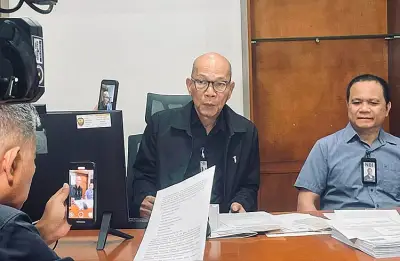
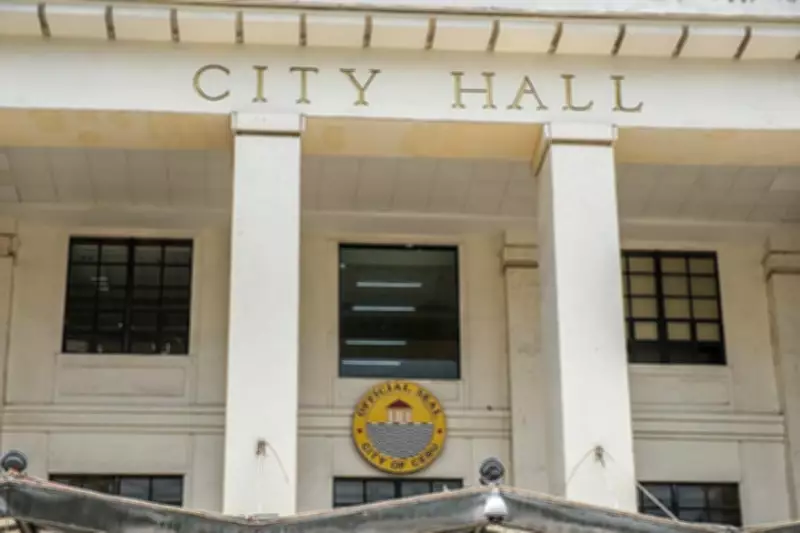
In a special session held on Thursday, February 5, 2026, Cebu City councilors launched a rigorous inquiry into an emergency garbage contract, casting doubts on whether the financial outlay aligns with the actual volumes of waste generated. This scrutiny emerges in the wake of the catastrophic trash slide at the Binaliw landfill on January 8, which resulted in tragic fatalities, prompting urgent reviews of the city's waste management strategies.
Contract Terms and Volume Discrepancies Under Fire
The City Government has entered into a temporary agreement with Asian Energy Systems Corp., designating its landfill in Barangay Polog, Consolacion as the disposal site. Valued at P60.83 million, this contract permits the City to dispose of over 50,000 tons of waste from February 1 to March 31, 2026. Councilor Joel Garganera highlighted a critical point: the contract allows for approximately 844 tons of garbage per day, a figure he emphasized is nearly double the city's historical average.
"That is almost double our historical daily garbage volume," Garganera stated during the session. He supported his claim with official records, noting that the city generated about 12,968 tons of trash in January 2026, which averages to 480 tons per day. "If we divide the approved tonnage by the contract period, we are talking about volumes that historically do not happen. So where did the 50,000 tons figure come from?" he questioned, urging transparency in the calculations.

DPS Explanation and Operational Challenges
John Paul Gelasque, head of the Department of Public Services (DPS), addressed these concerns by explaining that their projections are based on an estimated daily waste output of 600 to 650 tons, which he described as the "usual" amount for Cebu City. Gelasque further clarified that operations at the Consolacion landfill present unique challenges compared to previous facilities, citing traffic congestion and the site's layout as factors that slow down truck turnaround times, potentially affecting efficiency and cost assessments.
Councilor David Tumulak reinforced the need for accuracy, stressing that payments should strictly reflect the actual weight recorded at the landfill. "Every landfill has a weighing bridge. Every truck that enters is weighed, and that total tonnage becomes the basis for billing," Tumulak asserted, advocating for a system that prevents overpayment based on inflated projections.
Financial and Regulatory Concerns Addressed
Additional issues were raised regarding the tipping fee, set at P1,200 per ton, which excludes the 12 percent value added tax (VAT). Gelasque admitted to a lack of full awareness about the VAT inclusion, prompting the City Council to urge the DPS to conduct a thorough review of tax regulations within the agreement to avoid unexpected financial burdens.
Councilor Paul Labra also pointed out a potential conflict with limits imposed by Consolacion Mayor Teresa Alegado, who had previously stated that the landfill would only accept 100 to 150 tons from Cebu City daily. "If Cebu City generates an average of 480 tons per day, and we are capped at 150 tons, how do we reconcile this?" Labra asked, highlighting logistical hurdles that could undermine the contract's effectiveness.
Temporary Measures and Future Directions
City officials emphasized that this contract is a provisional solution, set to expire on March 31, 2026. In parallel, Mayor Nestor Archival has initiated enhanced waste segregation and composting programs aimed at reducing the volume of trash destined for landfills, signaling a shift towards more sustainable waste management practices in response to the recent crisis.