Cebu City Halts Fuel Allocations for Barangay Vehicles Amid Global Price Surge
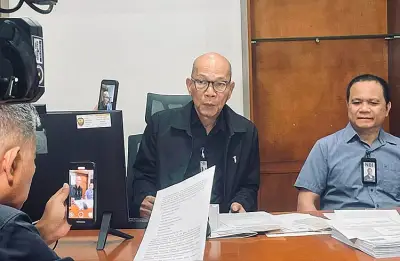
In a significant policy shift, the Cebu City Government has announced it will cease direct fuel allocations for barangay-level vehicles starting in April, a move driven by the cascading effects of international crises on municipal budgets. Mayor Nestor Archival revealed this decision, citing the severe strain on the City's annual fuel budget of P245 million due to soaring global fuel prices, which have been exacerbated by ongoing instability in the Middle East.
Budget Strain and Market Volatility
Despite the budget remaining intact, the City's purchasing power has plummeted as diesel prices have already breached P100 per liter, with projections from the mayor suggesting a potential climb to P120 or P130. This volatility recently caused a City bidding process for fuel supply to fail, as contractors backed away from the unpredictable market, highlighting the acute financial pressures faced by local governments.
Decentralization and Financial Burden
To address the gap, the City distributed P500,000 in financial assistance to each of the 80 barangays in February, mandating that local councils manage their own fuel procurement moving forward. However, this decentralization places a heavy administrative and financial burden on barangay officials, who serve as the primary providers of grassroots public services. Kalubihan Barangay Captain Rex Milan noted that the subsidy falls short of covering annual operational costs, especially for neighborhoods operating multiple service vehicles, which previously received a standard allocation of 150 liters per month.

Impact on Essential Services
Under the new system, local councils must negotiate directly with oil suppliers, a difficult task given that many distributors are reluctant to release fuel through memorandums of agreement without upfront payments. This has led to immediate disruptions in critical community services, ranging from local security patrols to the transportation of residents during curfews. City Hall will reserve its remaining direct fuel allocations for essential government services, including garbage trucks, ambulances, fire engines, and police patrols, to prevent a complete depletion of reserves within the next six months.
Intersection with Waste Management
The fuel shortage intersects with another major municipal expense: waste disposal. Cebu City spends approximately P500 million annually on garbage management, a cost heavily dependent on fuel for transporting waste to distant landfills. Maintaining consistent local garbage collection remains one of the most pressing challenges under the constrained fuel budget, threatening public health and environmental sustainability.
Mitigation Efforts and Future Outlook
In an effort to mitigate these compounded costs, the City is accelerating a localized waste reduction strategy. Biodegradable materials account for roughly 60 percent of the city's total garbage, and the administration has launched a pilot composting program, initially distributing 28 bins to department heads, with plans to expand household composting and barangay-level shredding systems. Early compliance is visible, with Barangay Sambag 2 successfully delivering fully segregated biodegradable waste to the city's shredding facility despite its dense population.
The immediate concern is whether barangays can stretch their initial subsidies until new budgets are approved and funds are replenished. Ex-officio Councilor Franklyn Ong, Association of Barangay Councils president, is seeking discussions with the mayor to secure sustainable solutions for frontliners. As global oil markets remain unstable, the success of Cebu City's localized composting initiatives and stringent fuel conservation measures will determine if the City can weather the economic impact without sacrificing public health and safety.