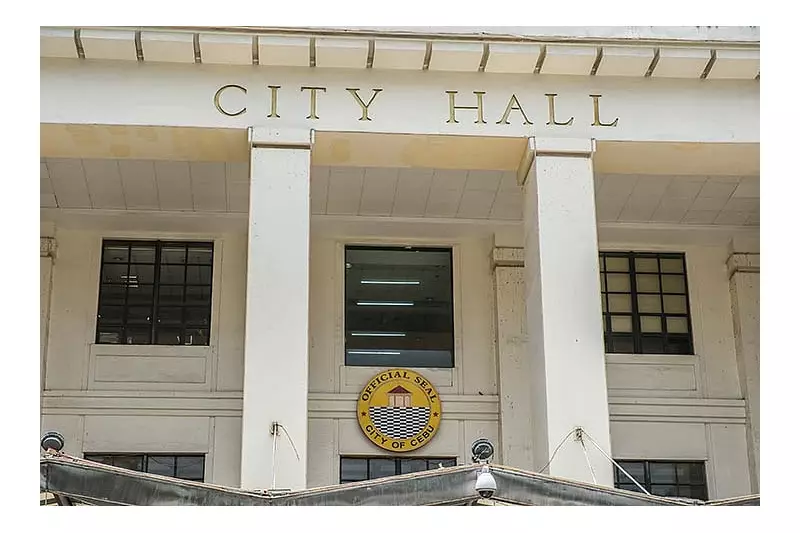
Cebu City has taken a significant step toward digital transformation with the approval of an E-payment Ordinance that will enable residents to settle taxes and other government obligations using their mobile phones. The landmark legislation was passed on November 25, 2025, marking a new era for public service delivery in the city.
Modernizing Government Transactions
Spearheaded by Councilor Edgardo "Jaypee" Labella II, the ordinance formalizes the use of accredited digital platforms for all types of payments, ranging from business permits to traffic fines. This development represents a major shift toward modernized, transparent, and contactless public service delivery that aims to benefit both the government and constituents.
"We modernize government transactions, strengthen transparency, and provide consumers reliable and convenient options for payment," stated Labella during the ordinance's presentation. The new system is expected to significantly reduce long queues, minimize face-to-face transactions, and provide 24/7 access to government payment channels.

Comprehensive Payment Coverage
The ordinance authorizes the City Government to accept tax payments and other fees through accredited digital platforms, including bank-based systems and e-wallets. The coverage extends to various transactions, including business-related payments, permits, renewals, licenses, regulatory charges, traffic violation fines, building permits and clearances, and other fees from different departments and offices.
During a public hearing held on October 21, key stakeholders including the City Treasurer's Office, Management Information and Computer Services, along with representatives from GCash e-wallet and Cebu Bankers Club, provided operational viability assessments and technical inputs to ensure the system's effectiveness.
Legal Framework and Implementation Details
The legislation aligns with national frameworks including the Electronic Commerce Act of 2000, the Anti-Red Tape Act of 2007, Joint DTI-DOF administrative orders on government e-payments, Bangko Sentral ng Pilipinas circulars and orders, and COA Circular 2021-014, which recognizes electronic receipts as official proof of payment.
City Treasurer Emma Villarete previously informed council members that online receipts issued through accredited platforms would carry the same legal effect as traditional printed receipts under Commission on Audit (COA) rules. She also emphasized that e-collections would be automatically deposited into the city's authorized bank accounts, with remittances from payment service providers required by the next banking day.
GCash representatives confirmed their readiness to serve as one of the city's payment channels and clarified that convenience fees, such as P10 for Pay QR and Pay Online transactions, and P15 for Pay Bills, would be imposed on users rather than the city government.
Representatives from Land Bank and Metrobank, speaking for the Cebu Bankers Club, expressed similar support, noting that other local government units have already implemented digital gateways for tax and permit payments.
The ordinance mandates full compliance with data privacy and cybersecurity laws and requires that any platform used by the city must seamlessly integrate with the Treasurer's Office and MICS to ensure accurate reporting and secure fund transfers.
The City Treasurer's Office serves as the sole approving and managing authority for developing and selecting an electronic collection system that provides end-to-end encryption, real-time transaction processing, and adequate safeguards.
Users will have the option to pay through e-wallets, credit/debit cards, or bank transfers with applicable convenience fees. They will also receive immediate notification following successful transactions, with e-receipts containing quick response codes for verification purposes.