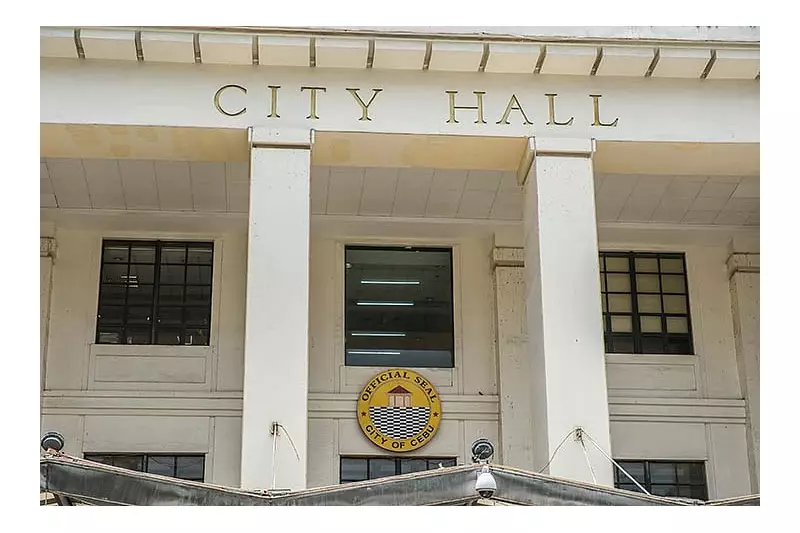
The Cebu City government has taken a significant step toward reducing operational costs for local businesses by establishing a city-operated water testing laboratory. This move aims to provide more affordable, regulated, and transparent water quality assessment services that are mandatory for securing business permits.
New Ordinance Promises Financial Relief for MSMEs
On November 11, 2025, the Cebu City Council approved on third and final reading an ordinance creating a government-run water testing facility. Councilor Alvin Arcilla, who championed the measure, cited years of complaints from micro, small, and medium enterprises (MSMEs) about expensive water testing fees charged by private laboratories.
Nearly 90 percent of local businesses rely on Metro Cebu Water District (MCWD) water, yet many still pay up to P7,000 for mandatory water tests, Arcilla reported during a session last August 7. The new city laboratory will test microbiological, physical, chemical, and radiological water quality parameters required for sanitary permit issuance.

Streamlined Testing Requirements
The ordinance introduces important exemptions for qualifying businesses. MSMEs using exclusively MCWD water without alternative sources will no longer need Physical and Chemical Water Testing. However, these establishments must still comply with microbiological water testing requirements to ensure public health safety.
Certain businesses face stricter regulations, including drinking-water refilling stations, water vending machines, mobile water tank suppliers, and bulk water providers. These establishments must undergo both initial and periodic examinations to maintain compliance.
Addressing Cost Concerns and Health Protection
Currently, the Cebu City Health Department (CCHD) requires businesses to use third-party water testing services costing between P3,000 to P7,000 per establishment. During an August 26 executive session, CCHD head Dr. Daisy Villa explained that the department lacks facilities to conduct all required tests due to expensive equipment requirements.
There are at least 20 Department of Health-accredited water testing facilities in Cebu City, according to Villa, who emphasized that the CCHD doesn't endorse specific private laboratories.
The mandatory water tests serve a critical public health function, preventing water-borne diseases such as cholera, typhoid fever, amoebiasis, and poisoning. Food establishments must test every six months, while non-food establishments require annual testing. Refilling stations and bulk water suppliers face even stricter requirements with monthly bacteriological and annual physicochemical testing.
The new city laboratory represents a significant advancement in making essential business services more accessible and affordable while maintaining rigorous health and safety standards for Cebu City's growing business community.