Cebu City Mayor Calls for Barangay-Led Waste Shredding Initiative to Combat Landfill Overflow
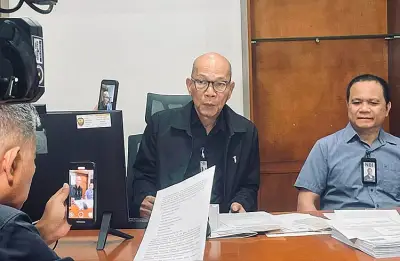
In a bold move to address the city's mounting waste crisis, Mayor Nestor Archival has issued a directive urging all barangays in Cebu City to adopt waste shredding as their primary strategy for reducing garbage. This initiative aims to significantly cut the volume of trash sent to landfills, with each barangay allocated funds to purchase shredding machines.
Funding and Implementation Details
Mayor Archival announced that the city plans to allocate P8 million per barangay for the necessary equipment, sourced from the unused Local Disaster Fund (LDF) left over from the previous administration. He emphasized that using these funds is permissible under current rules, as environmental protection is an approved purpose of the LDF.
Under this plan, barangays, especially the 30 mountain communities, are required to process their own waste locally instead of transporting it directly to landfills. The city government will directly provide the shredding machines to barangays, which must appoint focal persons or committees to manage proper implementation.

Goals and Metrics for Success
Archival highlighted that reducing waste at the barangay level is crucial, as the city continues to struggle with a shortage of landfill space. Barangay performance will be measured based on how much waste they prevent from reaching landfills. Currently, Cebu City generates nearly 600 tons of waste daily, and the initial target is a 10% reduction, or about 60 tons per day, through barangay-level shredding alone.
In the medium term, the city aims to reduce waste to 200 tons per day within six months. This could result in significant savings of approximately P600,000 daily, based on average hauling and tipping fees of P3,000 per ton.
Challenges and Collaborative Solutions
The mayor noted that many barangays already have shredding machines but have failed to use or maintain them properly, with several units reported as broken or idle. To address this, barangay captains are expected to meet this week to discuss management agreements and ensure accountability.
For barangays lacking adequate space for shredding facilities, the city is exploring a cluster-based system. This would involve partnerships between city barangays and neighboring mountain barangays with vacant land for composting and processing. While the city will provide equipment support, barangays must cover operational costs such as fuel and machine maintenance.
Archival stressed that this collaborative effort is essential for sustainable waste management and environmental protection in Cebu City.