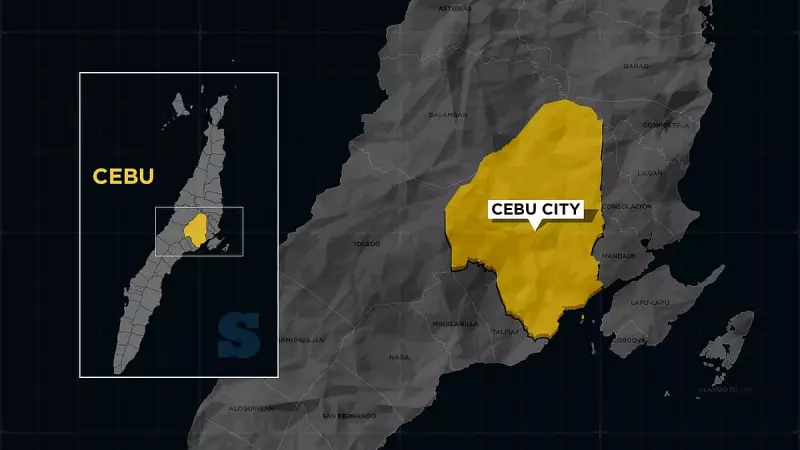
The predictable surge of holiday shoppers and travelers in Cebu City has pushed the daily commute to a breaking point, turning streets into scenes of frustration. This year, a single citizen's social media post has forced the local government's hand, creating a real-time test of how fast City Hall can respond to what many are calling a "transport emergency."
Emergency Buses Hit the Road
On Thursday, December 18, 2025, Mayor Nestor Archival announced an immediate intervention. The city is deploying four of its own electric buses to provide free rides for stranded commuters during the critical evening rush. The initiative started the same day.
The plan targets two major corridors: two buses will serve the Talamban route and two will serve Bulacao. These vehicles will be stationed downtown near City Hall and operate from 8 p.m. until midnight, or until all waiting passengers are moved. Each bus can carry between 60 to 80 people, with a clear mandate to prioritize senior citizens, persons with disabilities, and pregnant women.

This rapid rollout was a direct answer to an open letter posted online by citizen Fidel Laurence Ricafranca, who framed the holiday rush as a full-blown crisis demanding all available resources.
Social Media Spurs Government Action
This move underscores the rising influence of digital citizen feedback in shaping local policy. Instead of navigating slow bureaucratic processes, the mayor's office acted on public outcry to address a grueling reality for ordinary people. For them, the cost is measured in lost hours and physical strain.
Commuters like Abby Jimenez, who travels to Talamban, illustrate the severity. She currently endures a two-hour wait for a ride, followed by another two-hour journey home. For her, this period feels less like a festive holiday and more like a "holiday of traffic."
A Temporary Fix or a Long-Term Problem?
While the free buses offer immediate relief, officials acknowledge this is a reactive, band-aid solution. Councilor Winston Pepito, who chairs the transportation committee, pointed out a critical gap. The City acted without a clear diagnosis of the root cause. It remains unknown if the crisis stems from an actual shortage of public utility vehicles or from extreme gridlock that prevents existing jeepneys and buses from completing their routes efficiently.
The buses, normally used for daytime city operations, have been reassigned to four-hour nightly shifts to clear downtown crowds. Mayor Archival stated the free service will run until the New Year, though its frequency depends on driver availability for these extra shifts.
This initiative also sparks economic concerns. Councilor Pepito warned that the free service could compete with traditional jeepney drivers during their peak earning season. He noted he was not briefed before the launch and questioned if the buses are solving a shortage or merely adding to the traffic volume.
What Comes After the Holidays?
The situation in Cebu mirrors a national struggle with seasonal urbanization, where infrastructure fails to handle predictable demand spikes. Temporary shuttles help people like Edryll James Mauring, who faces overcrowded rides to Mambaling, but they don't solve underlying traffic management or the need for long-term mass transit reforms.
All eyes are now on the Cebu City Transportation Office. The City Council has requested a technical briefing to determine if this "transport emergency" needs more than a seasonal fix. The tension between providing free public service and protecting private transport livelihoods will likely be a central theme as Cebu City plans its transport strategy for 2026.