Cebu City is taking decisive action to address its long-standing street homelessness problem through a significant policy shift that moves beyond temporary cleanups toward sustainable solutions.
From Quarantine Center to Social Services Hub
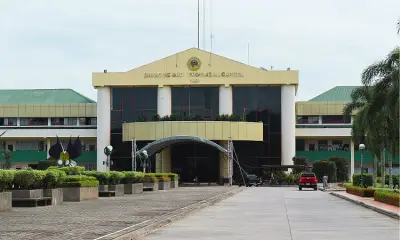
Mayor Nestor Archival confirmed on Wednesday, November 26, 2025 that the city will transform a former COVID-19 quarantine facility at South Road Properties (SRP) into a dedicated social services center. This strategic conversion represents a fundamental change in approach—from sporadic rescue operations to a structured, long-term reintegration program designed to restore dignity and stability to vulnerable individuals.
The new facility will serve as a temporary shelter for people profiled by the Cebu City Anti-Mendicancy Office, addressing critical concerns about overcrowded holding areas while aligning city efforts with national homelessness initiatives.

Comprehensive Support Through Pag-Abot Program
Cebu City has been designated as a priority expansion site for the national Pag-Abot Program, as confirmed by Department of Social Welfare and Development (DSWD) 7 Director Dr. Shalaine Marie Lucero. This groundbreaking initiative targets more than 400 identified street dwellers in the city through voluntary participation.
The program offers comprehensive assistance including food, medical aid, psychosocial services, and case management for up to 40 days in transitory shelters. However, the true transformation comes from the extensive social protection package provided during reintegration:
- Financial Assistance: P10,000 per family
- Housing Support: Rental subsidy of up to P10,000 monthly for six months to one year, plus up to P150,000 for home repairs for landowners
- Medical & Logistical Aid: Up to P10,000 in medical assistance with transportation and relocation support
Sustainable Reintegration and Future Planning
This comprehensive approach recognizes that stable housing and income are essential to break the cycle of homelessness that social workers frequently observe when families return to streets due to insufficient long-term support. The program now incorporates aftercare and monitoring through coordination with local government units of origin.
To formally establish this coordinated effort, DSWD 7 has requested the City Council to authorize Mayor Archival to sign a memorandum of agreement (MOA). This agreement is crucial for securing coordinated funding, referrals, and sustained rental subsidies.
The SRP site will function as the first dedicated facility while the local government explores long-term shelter development options. The program's full implementation and scaling now depend on City Council approval, which would mark a critical step toward focusing on sustained reintegration and continuous monitoring of beneficiaries.