Cebu City Postpones Waste Diversion to Alternative Sites Pending Financial Review
CEBU CITY – Local authorities have confirmed that Cebu City remains unprepared to immediately redirect its garbage to the proposed alternative disposal sites in Aloguinsan and Toledo. This decision comes as officials continue to meticulously study the complex costs and logistical challenges involved, following the catastrophic closure of the Binaliw landfill earlier this year.
Mayor Archival Cites Budget and Cost Concerns
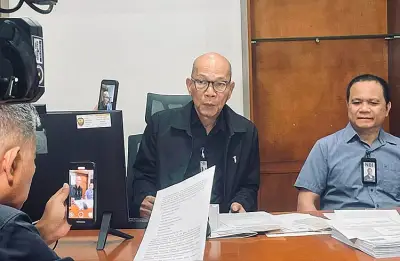
In an exclusive interview on Friday, January 30, 2026, Mayor Nestor Archival revealed that the City Government is currently rearranging its budget and evaluating hauling and tipping fees before committing to transporting waste outside city limits. "For the meantime, we are not yet ready," Archival stated, emphasizing that the City is still computing the total expenses associated with sending garbage to Aloguinsan.
The mayor explained that hauling costs are being analyzed in two critical components:

- Transportation from barangays to a transfer station
- Transportation from the transfer station to the landfill
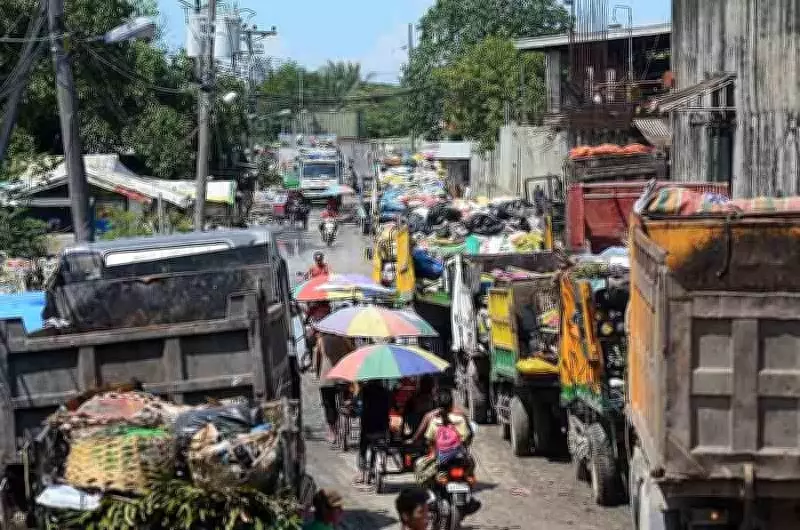
These expenses have not been finalized, creating uncertainty in the waste diversion timeline. Currently, Cebu City's temporary transfer station remains operational at Carbon Market, which also houses shredding machines used to reduce landfill-bound waste volume.
Alternative Sites Identified but Implementation Delayed
Following the January 8 Binaliw landfill tragedy that claimed dozens of lives and paralyzed the city's primary waste disposal system, the Cebu Provincial Government identified Aloguinsan and Toledo as temporary disposal solutions. Governor Pamela Baricuatro announced on January 28 that Aloguinsan Mayor Cesare Ignatius "Ig-Ig" Moreno had agreed to temporarily accept Cebu City's waste, with the San Rafael Sanitary Landfill designated as the disposal location.
However, Mayor Archival stressed that Cebu City cannot proceed without clear cost parameters. "We are looking at how much it will really cost, considering the amount we have in the budget," he said. The Department of Public Services operates with an approved annual budget of approximately P500 million, requiring careful allocation for this emergency situation.
Interim Solutions and Future Timeline
For the immediate future, Cebu City will continue hauling garbage to Consolacion while extending this arrangement until March 31. Archival projected that the City expects to be ready to transport waste to Aloguinsan by April, once costing, logistics, and funding issues are properly resolved.
"The fight here is in the city," Archival remarked, adding that Cebu City must first reduce its waste volume significantly to offset the higher costs of hauling garbage to more distant landfills. To support this effort, the City maintains its transfer station and shredding facility at Carbon Market, where biodegradable and plastic wastes undergo processing to minimize landfill-bound materials.
Provincial Preparations and Long-Term Solutions
Meanwhile, Toledo City has indicated it is not yet prepared to receive Cebu City's garbage, with preparations expected to conclude by April. Provincial Administrator Ace Durano clarified that garbage hauling will initially prioritize waste generated by Provincial Government facilities affected by the Binaliw closure. Disposal will occur on a scheduled basis or be limited to volumes of up to 100 cubic meters per delivery.
Aloguinsan is simultaneously progressing with the installation of a waste-to-energy facility, which remains subject to approval by the Department of Science and Technology and the Department of Environment and Natural Resources (DENR). Provincial officials view this facility as a potential long-term solution to the region's persistent waste management challenges.
Financial Resources and Regulatory Response
Mayor Archival disclosed that Cebu City has P30 million available from disaster funds following the declaration of a state of calamity. However, he emphasized that officials must determine precisely when and how long these funds can be utilized. "We just need to clarify when it can be used and how long we can use it," he noted.

In response to the Binaliw tragedy, the DENR has ordered a nationwide inspection and comprehensive review of all operating sanitary landfills to prevent similar incidents from occurring elsewhere in the country.