Cebu City's Garbage Crisis Intensifies as Nearby LGUs Decline Waste Disposal
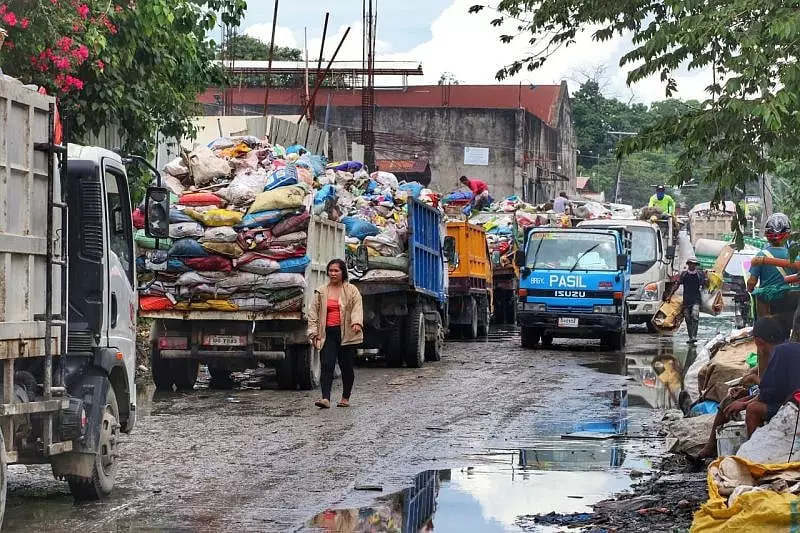
The solid waste management crisis in Cebu City has escalated dramatically after two neighboring local government units (LGUs) refused to accept garbage from the city. This decision comes in the wake of the closure of Cebu City's primary landfill, creating a pressing environmental and logistical challenge that threatens public safety and financial stability.
Emergency Meeting Fails to Secure Alternative Sites
During an emergency meeting facilitated by the Department of Environment and Natural Resources (DENR) on Thursday, January 22, 2026, officials from the Municipality of Minglanilla and Talisay City firmly rejected a proposal to serve as alternative disposal sites for Cebu City's waste. The meeting was convened to address the urgent need for new dumping grounds following the shutdown of the landfill in Barangay Binaliw earlier this month, which was prompted by a deadly trash slide that claimed 37 lives.
Reasons Behind the Refusal: Environmental and Legal Concerns
Local officials from both Minglanilla and Talisay City cited multiple factors for their refusal, including stringent regulatory requirements, strong community opposition, and limited operational capacity. Minglanilla Mayor Rajiv Enad emphasized that his municipality should not bear the burden of a problem originating from a larger urban center. He revealed that the proposal was presented without prior consultation, catching local leaders off guard during the emergency discussions with DENR Secretary Raphael Lotilla, Governor Pamela Baricuatro, and Cebu City Mayor Nestor Archival.

Enad further explained that the private landfill in Minglanilla has been closed for three years and lacks the necessary permits to operate. He highlighted ongoing environmental issues, stating, "It has been closed for three years now and yet garbage continues to trickle down to our rivers, threatening our local water sources." This underscores the potential risks of reactivating such facilities without proper oversight.
Talisay City Offers Logistical Support Despite Refusal
Talisay City Mayor Gerald Anthony 'Samsam' Gullas Jr. echoed similar concerns, affirming that his city cannot handle waste from other LGUs due to capacity constraints. However, he expressed willingness to provide logistical assistance, such as traffic management, if Cebu City opts to transport garbage to more distant southern locations. This gesture reflects a collaborative spirit amid the crisis, even as direct waste acceptance is deemed unfeasible.
Supporting this stance, First District Representative Rhea Gullas, wife of Mayor Gullas, argued that transferring environmental burdens from a highly urbanized city to a municipality is "unreasonable and fundamentally unjust." She urged the DENR to prioritize sustainable and equitable solutions that benefit all residents of Cebu.
Financial Strain and Long-Term Implications for Cebu City
The refusal of Minglanilla and Talisay City as nearer disposal options forces Cebu City to consider hauling waste to more remote areas, such as Bogo City and Aloguinsan. This shift is expected to significantly increase operational costs. Vice Mayor Tomas Osmeña warned that annual hauling and tipping fees could soar to between P500 million and P700 million, potentially jeopardizing essential city programs.
Osmeña lamented, "Patay ta. Patay ta (We are dead meat)," highlighting the dire financial impact. He cautioned that funding for critical services, including scholarship grants, the City Hospitalization Assistance and Medicines Program, and operations of the Cebu City Medical Center, might face cuts due to these escalating expenses. Additionally, the absence of national legislation permitting modern incineration facilities complicates efforts to find a viable long-term resolution.
Search for Sustainable Solutions Amidst Growing Crisis
In response to the mounting pressure, other LGUs are adopting temporary measures. For instance, the Mandaue City Council approved a P62 million contract for temporary waste disposal in Barangay Garing, Consolacion, over three months, addressing immediate needs in the aftermath of the Binaliw tragedy. Councilor Joel Seno described this as a stopgap solution for an emergency situation.

At the provincial level, Governor Baricuatro and DENR Secretary Lotilla are exploring legal avenues to manage the waste backlog. Lotilla indicated that the DENR is assisting Cebu City in identifying alternative sites and plans to petition the Supreme Court for temporary use of the closed Inayawan landfill as a transfer facility. Meanwhile, Cebu City officials are implementing stricter waste segregation rules and requiring large businesses to manage their own disposal, aiming to mitigate the crisis.
Mayor Archival reaffirmed the city's commitment to balancing public health concerns with financial constraints as it seeks a durable solution. The ongoing collaboration between local, provincial, and national authorities underscores the complexity of addressing solid waste management in urban centers, emphasizing the need for innovative and sustainable approaches to prevent future crises.