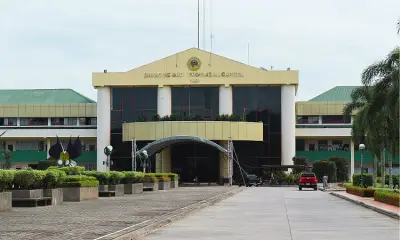
Cebu City is repurposing its former COVID-19 quarantine facility at South Road Properties (SRP) into a new social services center, marking a significant policy shift from occasional street rescues to a structured reintegration program for homeless families and street beggars.
New Shelter Facility for Street Dwellers
Mayor Nestor Archival confirmed on Wednesday, November 26, 2025, that a portion of the old quarantine compound has been cleared, repaired, and converted into temporary housing for individuals identified through intensified operations by the Cebu City Anti-Mendicancy Office (CCAMO).
Our Cebu City Anti-Mendicancy Office has a new program, Archival stated. This involves using this area as a shelter for people who are on the streets.

The mayor acknowledged that providing daily food support remains challenging, but the city has partnered with the Department of Social Welfare and Development (DSWD), which has programs specifically designed to address homelessness.
DSWD Pag-Abot Program Expansion
DSWD-7 Regional Director Dr. Shalaine Marie Lucero identified Cebu City as a priority expansion site for the Pag-Abot Program, an initiative designed to locate, identify, and assist individuals and families living in public spaces.
Here in Cebu City, we have profiled more than 400 street dwellers, Lucero explained. These are the people the DSWD will approach and assess to determine their situation, and the goal is to bring them to our transitory shelter.
Currently, 16 individuals and two families, totaling seven people, have entered the program. Lucero emphasized that participation is voluntary, with no forced removals from public areas.
Beneficiaries stay in transitory shelters for 40 days, receiving food, medicine, psychosocial services, and case management before reintegrating into communities.
Comprehensive Support Package
The Pag-Abot social protection package provides families who leave street life with substantial support:
- P10,000 financial assistance per family
- P10,000 medical assistance
- Transportation and relocation support
- Rental subsidy up to P10,000 per month for six months to one year
- Up to P150,000 for home repairs, provided the beneficiary owns the land
To sustain and expand the program, DSWD-7 has requested the Cebu City Council to authorize Mayor Archival to enter a Memorandum of Agreement (MOA), following an executive session presentation on September 16.
The agreement would formally establish Cebu City as a pilot expansion site, allocating coordinated funding for referrals, transportation assistance, and rental subsidies of up to P10,000 monthly for one year for those without permanent housing.
Lucero clarified that the program complements rather than replaces the city's existing Balik Probinsya initiatives.
Addressing Long-Term Challenges
Since its institutionalization under Executive Order No. 52 in July 2023, the Pag-Abot Program has reached 4,370 individuals and families nationwide, helping 3,889 return home, and distributing P53 million in transportation, relocation, and livelihood assistance.
However, social workers in Cebu City have noted recurring cases where families return to the streets due to lack of livelihood opportunities or long-term housing solutions.
Consequently, the program now includes aftercare, monitoring, and coordination with barangays and LGUs of origin to prevent recidivism.
City officials view the shelter plan as part of a broader policy shift: from dispersing street dwellers to providing structured support that eliminates exploitation or begging syndicates.
Archival stated that the city will continue profiling operations but clarified that their goal is to provide dignity, not to punish vulnerable populations.
The former SRP quarantine center will serve as the first dedicated transition facility for the program in Cebu City, with local government studying long-term shelter development options.