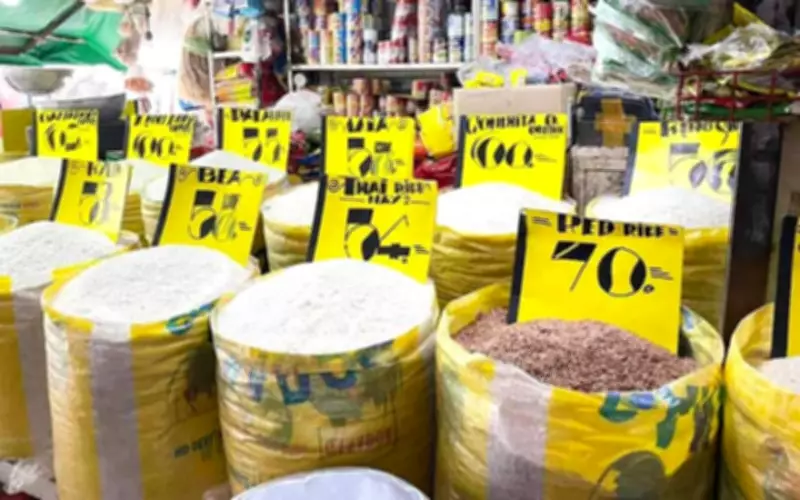
Cebu's provincial and city governments are launching a coordinated initiative to shield residents from unjustified price increases as global fuel instability threatens to elevate the cost of living across the region. With recent reports indicating that basic goods like rice have surged to P70 per kilogram in certain areas, local leaders are taking swift action to prevent exploitation of the current economic climate.
Activating Price Watchdogs Across the Province
Cebu Governor Pamela Baricuatro has issued a firm directive to all cities and municipalities, urging them to immediately activate their Local Price Coordinating Councils (LPCCs). This call to action follows an audit revealing that only 11 out of 54 local government units in the province currently have these councils operational.
To address this significant gap, the Capitol has convened all mayors for a meeting scheduled for Thursday, March 12. The objective is to establish a unified system for monitoring prices and enhancing coordination with national agencies such as the Department of Trade and Industry (DTI). This strategic move aims to eliminate substantial price disparities between neighboring towns, where costs for basic goods have been reported to be 15 to 20 percent higher in some locations compared to others.

Cebu City's Specialized Consumer Protection Body
In Cebu City, Mayor Nestor Archival has formalized the local response by issuing Executive Order 066, Series of 2026. This order establishes the Cebu City Special Price Monitoring and Consumer Protection Body (SPMCPB), which will operate directly under the Office of the Mayor.
The newly formed unit is tasked with several critical responsibilities, including tracking retail trends for basic necessities and prime commodities, conducting joint inspections of public markets, warehouses, and gas stations, and ensuring that all businesses adhere to official Suggested Retail Prices (SRP).
Legal Framework and Consumer Rights
The legal foundation for these measures is the Price Act of 1992 (Republic Act No. 7581), which is designed to protect consumers from artificial price inflation during emergencies or periods of instability. Local governments possess the legal authority to monitor markets and take action against various forms of price manipulation, which include:
- Hoarding: Storing goods beyond normal inventory levels to deliberately limit supply.
- Profiteering: Selling goods at unreasonably high prices to exploit market conditions.
- Cartels: Agreements between businesses to artificially increase prices through collusion.
Retailers found violating these laws face severe consequences, including administrative fines, the cancellation of business permits, and potential legal charges.
Ensuring Stable Supply and Fair Pricing
Despite concerns stemming from global supply chain disruptions, officials have emphasized that the province maintains a stable inventory of food and fuel. Governor Baricuatro has reassured the public that Cebu holds a three-month buffer for these essential commodities, providing a cushion against immediate shortages.
The current initiative is not focused on implementing price controls but rather on vigilant monitoring and ensuring fairness in the marketplace. Leaders are urging business owners and retailers to refrain from using the global crisis as a pretext to overcharge their customers. By fostering collaboration at both city and provincial levels, Cebu officials aim to maintain economic stability and ensure that food remains affordable for every Filipino family in the region.
It is noteworthy that the price of rice at Cebu City's Carbon Public Market in February 2024 was significantly lower than current levels. These costs could potentially rise even further if oil prices experience a spike due to ongoing tensions in the Middle East, underscoring the urgency of the current protective measures.