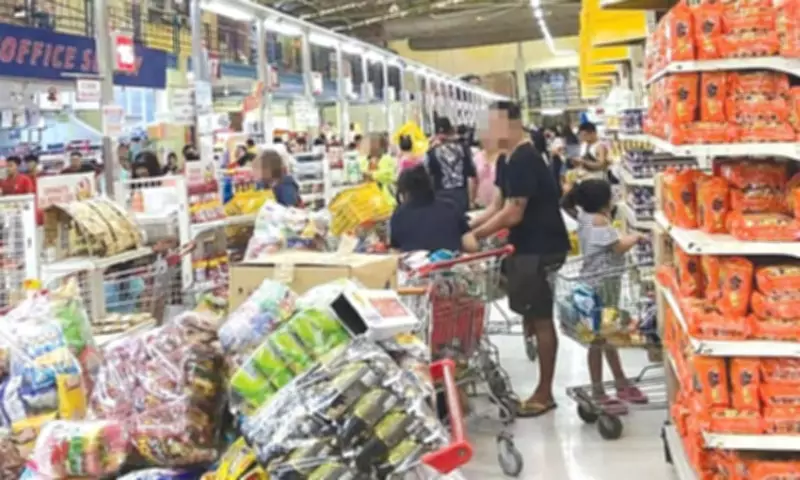
Cebu LGUs Mobilize to Reactivate Price Monitoring Councils Post-Typhoon
The Department of Trade and Industry Cebu Provincial Office has intensified its price and supply monitoring efforts in the wake of typhoon Tino, which caused widespread flooding and led to a state of calamity declaration in Cebu Province and Cebu City. This proactive step aims to safeguard consumers from potential price gouging and ensure market stability during the recovery period.
Commitment from Local Governments to Strengthen Price Controls
At least 25 out of the 50 local government units in Cebu Province have pledged to reactivate their Local Price Coordinating Councils, a move designed to curb unreasonable price increases. This commitment was formalized by mayors and regional heads of government agencies during a crucial meeting held at the Capitol on Thursday, March 12, 2026, as confirmed by the Cebu Provincial Government.
The reactivation initiative comes at a critical time, as authorities monitor possible price fluctuations driven by global events, including escalating tensions in the Middle East that could impact fuel and basic commodity prices. Marivic Aguilar, director of the Department of Trade and Industry Cebu Province, expressed strong support for this development, emphasizing that the LPCCs will enhance the monitoring of basic necessities and prime commodities to ensure affordable access for consumers.

Legal Framework and Historical Challenges
Aguilar highlighted that the establishment of LPCCs is mandated under Republic Act 7581, known as the Price Act, which was later amended by Republic Act 10623. This legislation is crucial for protecting consumers by stabilizing prices of essential goods and establishing regulations against unfair price hikes during emergencies.
She noted that many LPCCs in Cebu had become inactive due to various factors, including competing priorities such as disaster response, post-pandemic recovery, and devolved health services. Additional challenges included limited resources in smaller municipalities, a lack of awareness about council operations, and the need for improved coordination between local governments, provincial authorities, and national agencies.
Cordova Mayor Cesar Suan, serving as president of the League of Municipalities of the Philippines Cebu Chapter, committed on behalf of the province's 44 municipal mayors to activate their LPCCs. Under the Local Government Code, LGUs possess the authority to enforce penalties against retailers who violate price regulations, providing a legal backbone for these efforts.
Current Status and Expected Growth
As of Friday, only 10 LGUs in Cebu had active LPCCs. However, the list of those committed to reactivation includes the cities of Bogo, Danao, and Mandaue, along with municipalities such as Alegria, Tuburan, Balamban, Pinamungajan, Consolacion, Daanbantayan, and Dalaguete. Aguilar also mentioned that Lapu-Lapu City has independently activated its LPCC, operating separately from the provincial framework due to its highly urbanized status.
She anticipates a significant increase in the number of active councils following the recent meeting, describing it as a developing number that reflects growing local engagement in price stabilization efforts.
Supply Stability and Consumer Assurance
In a statement released on the Provincial Government's Facebook page on Thursday, DTI Cebu consumer protection chief lawyer Airene Abapo urged local governments to ramp up price monitoring in public markets and retail stores, imposing sanctions on any violators. Abapo reassured the public that current monitoring indicates stable supplies and prices for basic goods, all within suggested retail price ranges.
She further advised against panic buying, noting that the country maintains a robust three-month buffer stock to cushion against potential disruptions. Department of Energy 7 Director Rene Sevilla also called on LGUs to assist in monitoring fuel supply and prices, citing limited manpower within the agency. Sevilla explained that approximately 90 percent of the country's fuel supply is imported, primarily from the Middle East, making local prices vulnerable to global developments. He confirmed that contingency plans are in place to address any disruptions in the oil supply chain, ensuring continued market resilience.