Cebu LGUs Grapple with Waste Management Law Enforcement Decades After Passage
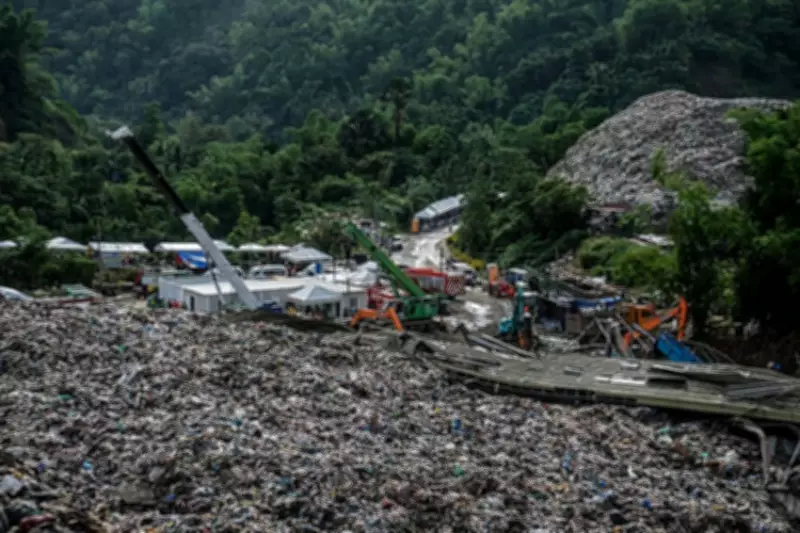
In Cebu, a tragic event has underscored a long-standing issue: twenty-five years after the enactment of Republic Act 9003, known as the Ecological Solid Waste Management Act of 2000, local government units continue to struggle with its enforcement. Despite all LGUs having developed 10-year waste management plans, implementation remains critically weak, as starkly revealed by the Binaliw landfill collapse on January 8, 2026, which resulted in 36 fatalities.
National Push Meets Local Lag in Waste Reforms
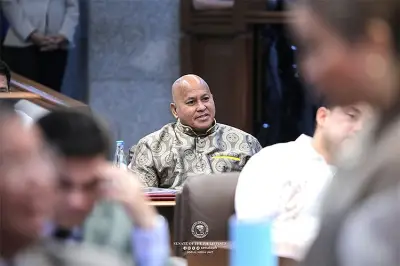
The National Government is actively pushing for reforms aimed at reducing waste, enforcing segregation, and transitioning to a circular economy. However, local enforcement efforts are lagging behind these initiatives. In response, local officials convened on Thursday, March 19, to address these gaps, shortly after the Department of Environment and Natural Resources proposed large-scale recycling and stringent source-reduction measures.
Clean Cebu Campaign and Centralized Facilities Launched
During the March 19 forum, local leaders launched the "Clean Cebu Campaign" to enhance waste systems across the province. Simultaneously, the National Government proposed establishing centralized processing facilities to aggressively reduce garbage at its source. RA 9003 mandates that LGUs divert at least 25% of their waste from landfills within five years, prohibits open dumpsites, and requires materials recovery facilities in every community to ensure only residual trash reaches disposal sites.

Implementation Failures and Governance Challenges
Experts and officials point to a significant disconnect between policy creation and actual execution. Former DENR secretary Elisea Gozun highlighted a persistent governance failure, noting that while plans are made, implementation is often neglected. She acknowledged that local governments frequently fail to take the law seriously, with setbacks exacerbated by the Covid-19 pandemic, which increased plastic use and disrupted existing programs.
Stuck in Planning Phase with Unexecuted Strategies
Rodel Bontuyan, chief of the Cebu Provincial Environment and Natural Resources Office, confirmed that all towns have completed the planning phase, with assistance from the Provincial Government in developing 10-year solid waste management plans based on Waste Analysis and Characterization Studies. However, these strategies remain largely unexecuted. Bontuyan emphasized that proper disposal should start at the barangay level, with segregation at the source, but many communities lack funding and require higher-level support.
Solutions and Private Sector Involvement
Mandaue City has taken a step forward with its 2019 Solid Waste Diversion Program, creating pathways for recyclable, special, and biodegradable wastes, while residual wastes are designated for disposal. The private sector, including the Cebu Chamber of Commerce and Industry, is advocating for a circular economy model to promote reuse and recycling, thereby lowering operational costs. Gozun suggested clustering shared facilities to achieve economies of scale for towns with limited resources.
Stakes and Unanswered Questions in Waste Crisis
The crisis impacts daily life, local water sources, and municipal budgets, with unmanaged waste posing severe hazards like the fatal Binaliw collapse. Taxpayers bear the burden of exorbitant fees when cities must haul garbage to distant towns. Key unknowns include how local governments will secure funding for necessary materials recovery facilities, the timeline for Cebu City to develop a new permanent landfill, and when Mayor Nestor Archival will enforce the "no segregation, no collection" policy.
Next Steps and Citizen Demand for Action
Moving forward, Governor Baricuatro plans to convert forum inputs into a formal action plan, while the DENR pushes for an integrated waste data system to improve tracking and enforcement across the province. Gozun stressed that citizens must demand action, as public pressure can drive political leaders to implement plans and encourage collective responsibility.