Cebu Mayor Addresses Controversy Over ASEAN Tarpaulins at South Road Properties
Cebu City Mayor Nestor Archival has publicly defended the installation of ASEAN-themed tarpaulins in several areas of the South Road Properties (SRP), including near Barangay Pasil. This action comes in response to mounting complaints that the banners are being used to conceal accumulated garbage from the view of foreign delegates attending an international event.
Clarifying Government Priorities and Jurisdiction
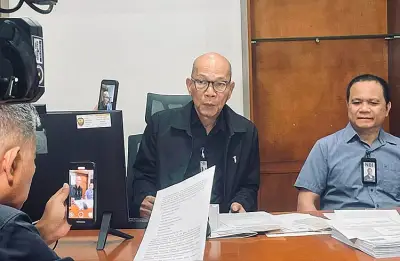
In a detailed statement, Mayor Archival emphasized that critics have misinterpreted the situation. He asserted that the local government's primary focus remains on cleaning efforts and sustainable waste management, rather than attempting to embarrass the public. "The priority of the government is cleaning and long-term waste management, not shaming the public," Archival stated firmly.
He further clarified that the specific area in question is not under the city's direct project jurisdiction but falls under the authority of the Department of Public Works and Highways (DPWH). According to the mayor, cleanup operations are ongoing, but due to the massive volume of waste that has accumulated over more than 25 years, visible results cannot be achieved immediately.

Operational Challenges and International Context
Mayor Archival revealed that the DPWH has been deploying four backhoes daily for excavation work. However, he noted that even with this equipment, clearing the site in a short timeframe remains a significant challenge. He stressed that the tarpaulins were not placed to hide the problem but to manage the situation effectively during a major international activity. Additionally, Archival pointed out that he did not directly order the installation of these banners.
The mayor shared that feedback from arriving ASEAN tourism ministers has been positive overall, with many noting that the city appears clean in general. Nonetheless, he acknowledged that maintaining cleanliness poses a substantial ongoing challenge for the local administration.
Defending Barangay Pasil and Calling for Unity
Archival also came to the defense of Barangay Pasil against recent criticisms. He explained that Pasil has long served as a dumping ground for waste from other areas, particularly from upstream rivers. While recognizing public concerns, the mayor called for collaborative action instead of continuous blame. "I acknowledge the public's worry but urge for united efforts rather than constant criticism," he appealed.
International Comparisons and Future Strategies
Drawing a comparison with Japan's experience, Archival highlighted that it took the country approximately 30 years to achieve its current level of cleanliness. "In Japan, it took 30 years. I've only been mayor for about 200 days, and I'm already being attacked," he remarked, putting the local challenges into perspective.
Currently, the city is focusing on a dual approach:
- Education and behavioral change among residents regarding proper waste disposal
- Continued cleanup operations to address the historical accumulation of garbage
This comprehensive strategy aims to tackle both immediate cleanup needs and long-term sustainable waste management practices in Cebu City.