Cebu City Moves to Ban Politicians' Names on Publicly Funded Projects
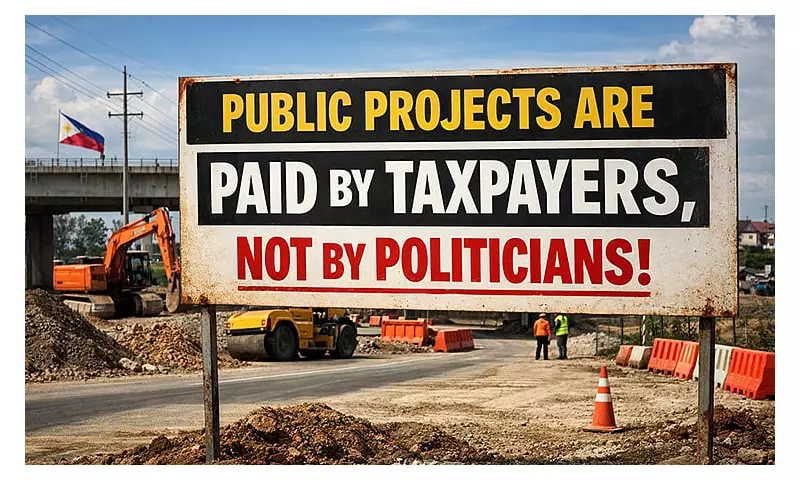
In a significant step toward depoliticizing public service, Cebu City is considering an ordinance that would prohibit incumbent officials from placing their names on government-funded properties. This proposed measure, championed by Cebu City Councilor Sisinio Andales, aims to reinforce the principle that taxpayer-funded projects should serve the people, not the political ambitions of elected leaders.
Addressing Political Branding with Public Funds
The ordinance specifically targets the common practice where politicians claim credit for infrastructure developments, buildings, facilities, vehicles, and other public assets financed by the national or local treasury. Councilor Andales emphasized that public service must remain institutional rather than dependent on the personality of any politician, especially during election seasons when such branding can influence voter perception.
This initiative seeks to prevent the misappropriation of public projects for personal or political gain, ensuring that funds derived from citizens' taxes are used transparently and ethically. By removing politicians' names from these assets, the city hopes to foster a culture where governance is about collective achievement rather than individual recognition.

Alignment with Ethical Standards and Legal Frameworks
The proposed ordinance draws inspiration from existing national laws, particularly Republic Act No. 6713, the Code of Conduct and Ethical Standards for Public Officials and Employees. This law mandates that officials avoid actions that could be construed as self-promotion or conflicts of interest. The Cebu City measure would operationalize these principles at the local level, providing clear guidelines for public property management.
If passed, the ordinance will standardize how government projects are labeled. Instead of featuring politicians' names, signage will focus on essential information such as:
- The project title
- The implementing agency
- The source of funding
- The completion date
This approach not only enhances transparency but also educates the public about the true origins of these developments—funded by their hard-earned taxes.
Implications for Public Accountability and Historical Context
Councilor Andales highlighted that the ordinance includes exceptions for cases where naming is required by law or has historical justification. This ensures that legitimate commemorations, such as those honoring national heroes or significant events, are not hindered. However, the primary goal is to curb the trend of using public projects as tools for political advertising.
The move reflects a growing awareness among Filipino communities about the need for greater accountability in governance. By shifting focus from politicians to the projects themselves, Cebu City aims to promote a more objective and service-oriented public administration. This initiative could set a precedent for other local government units across the Philippines, encouraging similar reforms to protect public funds from political exploitation.
As the proposal undergoes review and potential enactment, it represents a proactive effort to strengthen democratic values and ensure that public resources are managed with integrity and respect for the taxpayers who fund them.