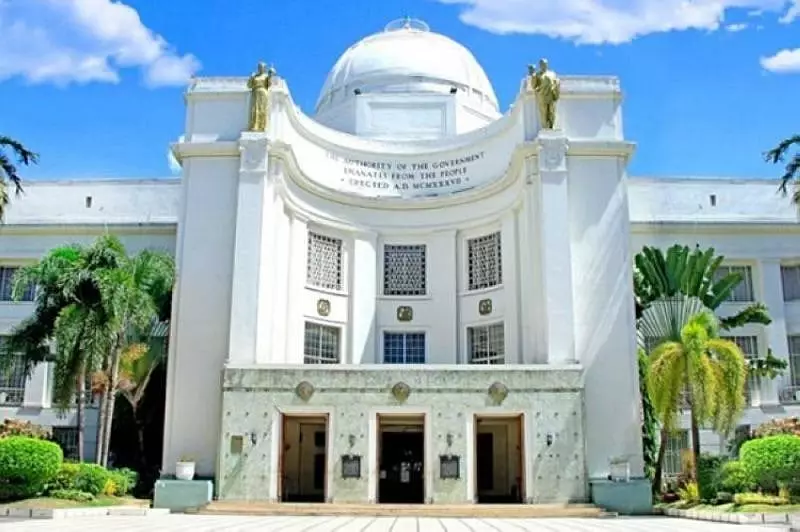
In a significant move to address fragmented governance and environmental concerns, Cebu Governor Pamela Baricuatro has formally requested President Ferdinand Marcos Jr. to establish a Metro Cebu Development Authority (MCDA). This push for a centralized body comes alongside a new provincial directive strictly enforcing environmental rules for quarry, mining, and development projects.
Reviving a Dormant Vision for Coordinated Growth
The proposal for the MCDA aims to resurrect the broader Mega Cebu Master Plan and its original coordinating body, the Metro Cebu Development Coordinating Board (MCDCB). According to Elizar Sabinay Jr. of the Provincial Planning and Development Office, the MCDCB was created in 2011 but lacked legal personality, meaning it could not enforce standards or compel local governments to act. Consequently, the board has not been convened since 2019, leaving development efforts uncoordinated.
Similarly, the recent environmental crackdown is not entirely new. Assistant Provincial Administrator Aldwin Empaces acknowledged that the "new" rules are actually a revival of Provincial Ordinance 2016-21, which had not been fully enforced and was largely forgotten until now.

Why a Stronger Authority is Deemed Crucial
The proposed MCDA is envisioned to function like the Metro Manila Development Authority, wielding institutional power over seven key metropolitan concerns: transport and traffic management, flood control, water supply, solid waste, land use, disaster risk reduction, and urban planning. Sabinay emphasized that this would create consistency, overcoming the challenges posed by shifting political priorities.
To support this vision, the Provincial Government is considering expanding the "Mega Cebu" area to include Toledo City, Balamban, and Asturias to manage rapid growth in the western corridor. A significant step forward has been taken by Senator Imee Marcos, who has filed a Senate bill to create the MCDA. This legislation would grant it legal standing, protect it from political changes, and allow it to access international funding.
Immediate Action: The Environmental Directive
While the MCDA proposal works its way through the legislative process, the Capitol is taking immediate executive action on the environment. In a directive issued on Monday, November 17, 2025, Governor Baricuatro mandated that all mining and quarry operators must meet specific environmental obligations for their permits to be renewed.
These obligations are now mandatory and include:
- Planting one tree seedling for every cubic meter of extracted material.
- Donating endemic or fruit-bearing seedlings to Capitol nurseries.
- Establishing drainage canals within their permit areas.
The urgency of these measures is underscored by the recent destruction caused by Typhoon Tino (Kalmaegi). The lack of a binding central body has had tangible consequences. A 2017 flood and drainage master plan proposed P45 billion in projects, but between 2016 and 2019, only P2.2 billion was secured, leading to a mere 10 percent implementation rate. Sabinay estimated that with continued oversight, 50 percent of the projects could have been completed.
The stakes are exceptionally high. Metro Cebu drives roughly 70 percent of Central Visayas' economic growth, and the provincial population is projected to hit 12 million by 2050. The cost of inaction is also rising; the Mananga Dam 2 project, estimated at P5 billion in 2016, may now cost around P7 billion.
What's next? The Provincial Government is working to reactivate the MCDCB and create a task force via an executive order to monitor implementation while awaiting the Senate bill's passage. The Provincial Environment and Natural Resources Office has been tasked with closely monitoring compliance with the new environmental directive.