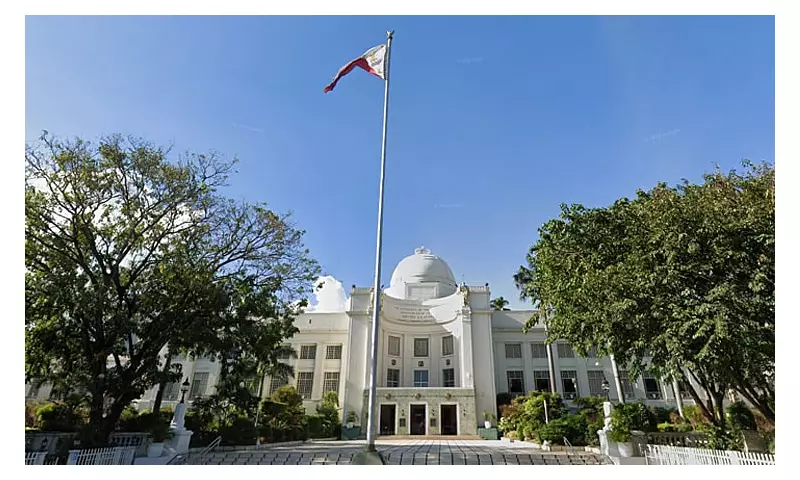
The Cebu Provincial Government has taken decisive action against 128 infrastructure projects valued at a staggering P1.1 billion after discovering critical gaps in procurement and bidding documentation, leading to immediate suspension of contractor payments.
Massive Documentation Gap Discovered
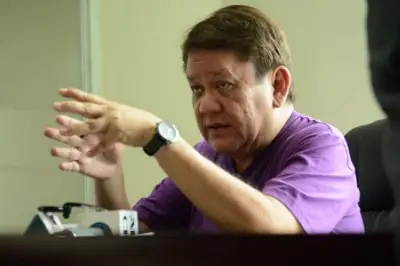
Provincial Administrator Aldwin Empaces confirmed on Monday, November 24, 2025, that thorough reviews uncovered incomplete or entirely missing bidding folders for all flagged projects, all initiated under the previous administration. The documentation deficiencies include essential procurement management plans and certifications of funding from the Bids and Awards Committee (BAC).
"We definitively finalized what happened to these 128 remaining projects two weeks ago," Empaces stated in a mix of Cebuano and English. "Many lacked proper bidding documents before notices to proceed and awards could be legally granted."

Remarkably, some projects valued between P100 million and P300 million each have reached completion, yet contractors remain unpaid due to the fundamental procedural violations. Empaces emphasized that standard bidding requirements mandate completion of post-qualification processes before contract execution or payment authorization.
Legal Complications and Court Intervention
The Provincial Legal Office has recommended judicial intervention to resolve the payment impasse, suggesting courts should determine whether contractors deserve compensation despite the documentary shortcomings.
Atty. Resti Arnaiz from the Office of the Governor clarified the legal position, stating the Province cannot legally release payments without complete documentation. He warned that any deviation from this standard could expose both the Capitol and Governor Pamela Baricuatro to significant liability.
"The legal team and review committee decided the Province really should not pay because documents are lacking," Arnaiz explained. "Ultimately, they will go to court. Let the court decide."
Arnaiz raised serious concerns about why the previous BAC permitted projects to advance with "empty or incomplete bidding folders," highlighting systemic governance issues.
Project Scope and Reform Initiatives
The affected infrastructure portfolio primarily consists of roads, bridges, and bulk-water systems, with 13 specific bulk-water projects among the 128 flagged initiatives. Approximately 50 contractors are involved in these projects, most beginning in 2025 with some starting in 2024.
In response to these challenges, the Capitol has launched comprehensive procurement reforms. The Provincial Government's BAC conducted a public hearing on November 13 to refine infrastructure procurement processes and enhance transparency measures.
Governor Baricuatro addressed contractors, suppliers, and provincial officials, emphasizing that the proposed P12-billion budget for 2026—including roughly P4 billion for infrastructure—will prioritize responsible governance and fiscal discipline.
Key reforms introduced include Executive Order 15, establishing the Provincial Project Monitoring Committee (PPMC) to strengthen oversight, and a new checklist of Technical and Financial Documents to guide contractor compliance.
Empaces announced additional fiscal safeguards, ensuring every contract will have assured budget allocation for timely disbursement. The 2026 budget will also allocate P500 million for debt servicing to address pending obligations from previous years.
These measures represent the Capitol's concerted effort to rebuild contractor trust and ensure future infrastructure projects demonstrate integrity and reliability throughout implementation.