Cebu City Faces Financial Strain from Escalating Waste Disposal Costs
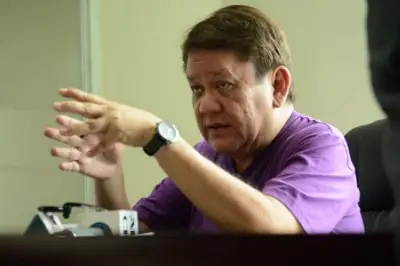
Cebu City Vice Mayor Tomas Osmeña has issued a stark warning about the city's mounting financial pressures due to rising waste disposal expenses. During a press conference on Thursday, January 22, 2026, Osmeña emphasized that transporting garbage to distant disposal sites could severely strain municipal finances, potentially forcing cuts to essential public services unless sustainable solutions are implemented.
Landfill Closure Forces Costly Temporary Arrangements
The warning comes as Cebu City grapples with managing its daily garbage output following the shutdown of the Binaliw landfill. This closure has compelled the city to temporarily dispose of waste at the Polog landfill in Consolacion, Cebu, while negotiating possible long-term arrangements in locations like Bogo City, Aloguinsan, or Minglanilla.
Osmeña revealed that transportation costs alone represent a significant burden, with the city spending between P500 million to P700 million annually just to haul garbage. He cautioned that moving waste even farther north or south would dramatically increase these expenses, creating what he described as one of the biggest problems facing the city.

Call for National Legislation on Modern Incineration
While acknowledging the waste crisis has many aspects, Osmeña stressed that the core issue, in his view, is the absence of national legislation allowing modern incineration facilities. "There are many aspects, but for me, the problem I am telling them right now is that the Philippine government has to pass a law that will allow us to be like other countries where you can have an incinerator," Osmeña stated.
He specifically mentioned the South Road Properties (SRP) as a potential location, noting that "I can put it there at the SRP, half a hectare lang." This approach, he argued, could provide a more sustainable and cost-effective solution compared to current disposal methods.
Potential Impact on Essential City Programs
Osmeña painted a dire picture of what might happen if disposal at distant sites like Bogo City were approved. "Patay ta. Patay ta. It will cancel all the scholarship, will cancel City Hospitalization Assistance and Medicines Program (Champ) and will close the CCMC because it will use to bogo," he warned, using the local expression to emphasize the severity of the situation.
His comments highlight how the waste disposal crisis could directly impact critical social programs including educational scholarships, healthcare assistance, and hospital operations at the Cebu City Medical Center (CCMC).
Current Waste Management Operations and Challenges
According to Department of Public Services (DPS) head Paul Gelasque, Cebu City currently collects approximately 650 to 700 tons of garbage daily, a volume that has remained relatively stable except during special events. The city's approved annual budget for hauling and tipping fees stands at P515,095,300.
Gelasque explained that all barangay garbage trucks, along with those operated by Pinoy Basurero, are now dumping at the Polog landfill in Consolacion. However, operational challenges persist, including:
- Limited landfill operating hours from 5 a.m. to 5 p.m.
- Traffic congestion and long queues at the landfill
- Some barangay trucks being able to dump only once daily
- Separate fuel costs handled by the Department of General Services (DGS)
When questioned about whether the current P515.09 million annual budget would suffice if the Polog arrangement continues beyond the initial 30-day period, Gelasque admitted he could not yet provide a definite answer, highlighting the uncertainty surrounding long-term waste management financing.
Background: The Binaliw Landfill Tragedy
The current waste crisis intensified following the collapse of the Binaliw landfill in Barangay Binaliw earlier this month, a tragic incident that claimed the lives of 36 workers and one volunteer rescuer. In response, the Environmental Management Bureau (EMB) issued a cease-and-desist order against Prime Integrated Waste Solutions Inc., halting all landfill operations except for rescue, retrieval, and cleanup activities.

This closure has created an urgent need for alternative waste disposal solutions, putting pressure on Cebu City's financial resources and infrastructure as officials work to address both immediate operational challenges and long-term sustainability concerns.