Cebu's Four Lingering Mysteries: Unresolved Issues Demand Government Action
In Cebu, four significant local mysteries remain unresolved, with limited public clarity and insufficient governmental effort to demystify them. These issues, ranging from financial mismanagement to environmental crises, underscore critical governance gaps that continue to affect the community.
Flood Control Funds: A Question of Accountability
Between 2023 and 2025, Cebu's congressional districts received a substantial allocation ranging from P26 billion to P83 billion. The fate of these funds remains unclear, with concerns over potential losses or waste. Eleven House members and former representatives from Cebu districts have been identified, along with specified "allocables" and "non-allocables."
While projects and locations have supposedly been identified, and their completion status assessed for authenticity and quality, an official report is still pending. This report may not address kickbacks, leaving unanswered whether Cebu lawmakers resisted or succumbed to corrupt practices.

The current state of these projects will ultimately reveal if government money was stolen, the extent of any losses, potential recovery options, and prosecution of culprits. Lawmakers, both current and former, suspected of misappropriating public funds, have remained silent. Incumbent governors and mayors must actively investigate these projects, as the funds belong to their localities, making it their duty to ensure accountability.
Garbage Disposal: A Crisis in Decision-Making
Cebu City faces a pressing garbage disposal crisis, relying on a distant 60-kilometer dumping site and the controversial use of the South Road Properties (SRP) as a holding area. The city struggles with emergency measures and a permanent solution, exacerbated by ambiguous decision-making processes among city leaders, despite legal frameworks.
Given the urgency and historical corruption linked to large financial stakes, public transparency in decisions is crucial. Public safety concerns, highlighted by the Binaliw landfill collapse, add gravity to the situation. Future deaths, injuries, and health issues among residents could be attributed to current policymakers' failures.
Apo Land Penalties: A Drastic Reduction Under Scrutiny
Apo Land and Quarry Corp. saw its assessed liabilities slashed from P1.218 billion to P211.56 million, a massive reduction reportedly due to the removal of extraction taxes on materials from private property. The reduced amount covers only environmental enhancement fees, monitoring fees, and limited penalties.
Governor Pam Baricuatro has referred the issue to the Provincial Board to examine the compromise and ensure the province's interests are not compromised. This move aims to address potential inequities in the settlement.
Lessons from the Binaliw Tragedy: Policy Changes Needed
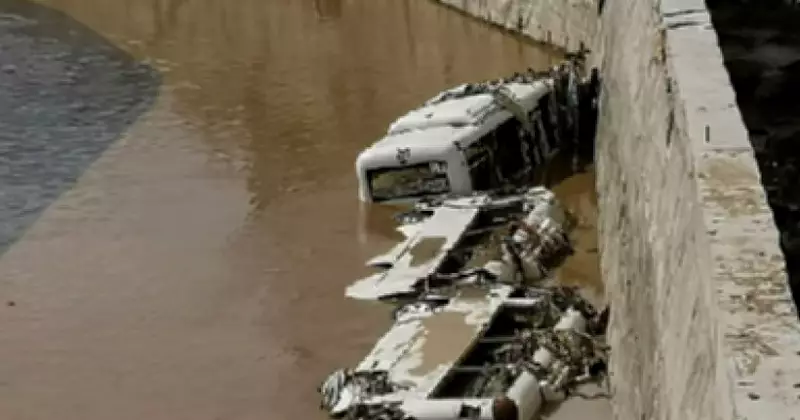
The Binaliw tragedy, where a garbage mountain collapse killed 36 people, underscores the need for policy reforms not only in solid waste disposal but also in development projects contributing to recent destructive flooding. If an investigation occurred, its findings must guide policy changes for the tragedy site and similar areas.
In the absence of such an inquiry, policymakers can still implement rule changes and improvements to save lives and property. Natural disasters like rains and winds cause less harm with diligent and honest governance. Billions allocated for flood control could have mitigated damage if used appropriately, emphasizing the need for accountability and proactive measures in Cebu's ongoing challenges.