Davao City Implements Stricter Driveway and Footpath Policies to Alleviate Traffic Congestion
The City Government of Davao has announced the enforcement of stricter driveway access rules and a continuous footpath policy along major roads. This initiative aims to ease traffic congestion and improve pedestrian safety throughout the city.
Addressing Traffic Conflict Points and Safety Concerns
Through the Davao Public Transport Modernization Project (DPTMP) and the Office of the City Building Official (OCBO), the local government unit (LGU) will implement these measures to ensure better traffic flow and enhanced safety for pedestrians. In a statement released on March 18, 2026, the city government emphasized that proper implementation of these policies will help reduce traffic conflict points, improve pedestrian safety, and support a more efficient and organized transport system in Davao City.
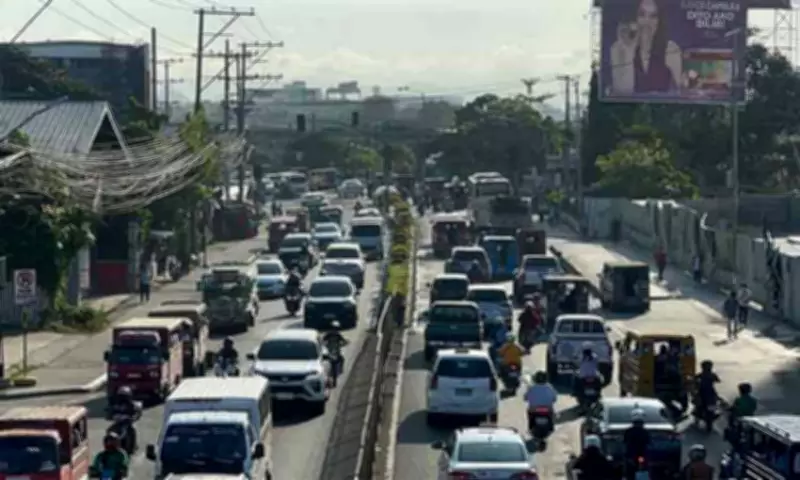
The LGU explained that the move is a direct response to increasing traffic congestion caused by multiple access points along major road corridors. These conditions have led to unsafe turning movements, significant traffic delays, and conflicts between pedestrians and vehicles, creating hazardous situations for all road users.

Preparation for Transport Modernization and Regulatory Alignment
In preparation for the implementation of the DPTMP, developments along major roads must now provide adequate and continuous sidewalk space. Additionally, these developments should be limited to single ingress and egress points, particularly in corridors covered by routes under the public transport modernization program. This requirement is designed to streamline traffic and minimize disruptions.
The policy is also aligned with Section 707.4 of the National Building Code of the Philippines, which discourages direct access from parking or loading areas to the road right-of-way. This alignment aims to prevent public roads from being used as maneuvering areas and to promote safer traffic movement throughout the city.
Context of Davao's Traffic Challenges and External Calls for Action
Davao City recently topped the TomTom Traffic Index as the most traffic-congested city in the Philippines and ranked fourth in Asia, highlighting the urgency of these measures. The city's traffic woes have drawn attention from various stakeholders, including the Mindanao Alliance for Progress (MAP).
Earlier, MAP urged Davao City officials to present a comprehensive traffic management plan to address growing concerns over the city's worsening traffic situation. MAP coordinator Mayet Valdez emphasized the need for prompt action to prevent the situation from deteriorating further. She noted that solutions are not as simple as adding more roads, tunnels, or bridges, as these infrastructure projects cannot be built overnight.
Valdez suggested implementing a comprehensive traffic management policy, including measures such as number coding, along with stronger policies and more efficient systems to effectively address the traffic problem. The new stricter driveway access rules and continuous footpath policy represent a step toward these broader goals, aiming to create a safer and more manageable urban environment for residents and visitors alike.