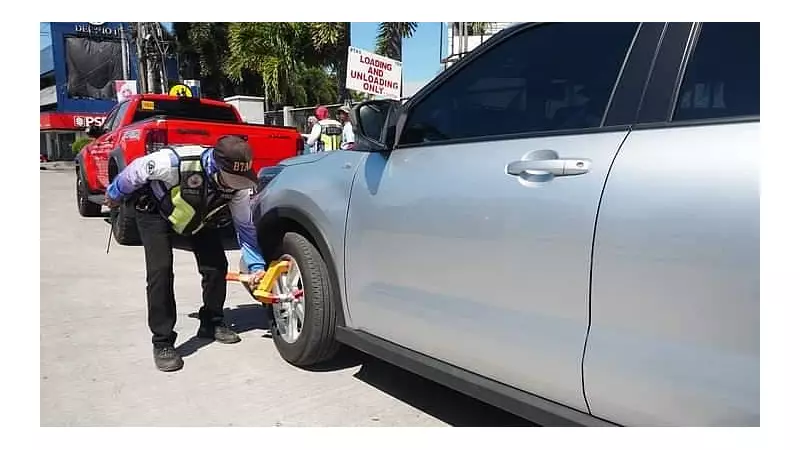
The Davao City Traffic and Transport Management Office (CTTMO) is preparing to launch a pilot test of its new Wheel Clamping Ordinance within the year. This measure, approved by the city council in late 2025, will see illegally parked vehicles immobilized with wheel clamps or tire locks on major and secondary roads.
Preparations and Public Information Drive
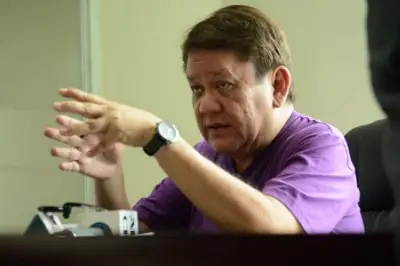
Atty. Eduardo Perez IV, the CTTMO Admin Officer, detailed the ongoing preparations in a recent interview. He stated that the office is currently processing the procurement of wheel clamps and organizing training for personnel who will enforce the ordinance. The training for involved staff is tentatively scheduled for the first week of February 2026.
Perez emphasized that the initial months of the year will be dedicated to a public information campaign. The goal is to ensure all vehicle owners are fully aware of the new law's provisions before enforcement begins.

Clamping Zones and Retrieval Process
The ordinance designates specific areas as clamping zones. These include Pay Parking Zones where fees are not paid or rules are violated, and several key thoroughfares:
- Daang Maharlika Highway from corner R. Castillo to Lasang Boundary.
- Sandawa (G.E. Torres St.) from corner Quirino to corner MacArthur Highway.
- Ecoland Drive from corner Quimpo to corner Sandawa.
Enforcement will be carried out by CTTMO officers or the Davao City Police Office-Traffic Enforcement Unit (DCPO-TEU). To get a clamped vehicle released, owners must settle two payments at the City Treasurer's Office: the illegal parking fine and a separate clamping fee. The ordinance sets the clamping fee at P2,000 for light vehicles and P5,000 for trucks and heavy vehicles.
Key Clarifications and Pilot Timeline
Atty. Perez provided an important clarification: if a driver is present when traffic personnel arrive, the vehicle will not be clamped. Instead, the driver will be instructed to move it immediately and will receive a Traffic Citation Ticket (TCT) for the violation.
The pilot implementation is slated for the second quarter of 2026, following the completion of equipment acquisition and staff training. This phased approach allows the city to test the system and make adjustments before a full-scale rollout.