Former Lawmaker's Criticism of Cebu Muffler Crackdown Sparks Debate
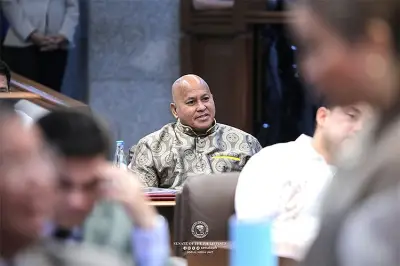
The recent enforcement campaign by the Land Transportation Office (LTO) 7 in Cebu City targeting motorcycles with loud, modified mufflers has ignited controversy within the riding community. The operation, aimed at curbing excessive noise pollution, has drawn sharp criticism from prominent figures, including Bonifacio Laqui Bosita, chairman of the Riders Safety Advocates of the Philippines and a former I-Rider Party-List representative.
Bosita Accuses LTO 7 of Discrimination
Bosita has publicly accused LTO 7 officials and operatives of discriminating against motorcycle riders by focusing disproportionately on "aftermarket mufflers" while allegedly overlooking similar violations by other vehicles such as trucks, jeepneys, and private cars. His criticism carries significant weight due to his background as a former congressman and retired police colonel, positions that involved upholding and enforcing the law.
This distinction matters because traffic regulations governing vehicle modifications are not arbitrary. They are firmly anchored in Republic Act No. 4136, the Land Transportation and Traffic Code, which authorizes authorities to regulate vehicle equipment and prohibit modifications that create excessive noise or deviate from approved standards.

Legal Basis for Noise Pollution Regulations
Local government units like Cebu City have enacted ordinances addressing noise pollution, including specific limitations on noise levels emitted by vehicles, particularly in residential areas and during nighttime hours. Additionally, Republic Act 8749, the Clean Air Act of 1999, while primarily targeting air pollution, also mandates the Department of Environment and Natural Resources (DENR) to set standards for noise emissions from motor vehicles.
The rationale behind these regulations is clear. Noise pollution is a serious concern in highly urbanized communities. Residents living along busy streets have long complained about motorcycles with modified exhaust systems roaring through neighborhoods late at night, disrupting sleep, study, and daily life. For regulators, addressing these violations is essential to maintaining public order and quality of life.
Selective Enforcement Concerns and Legal Response
Bosita's criticism regarding potential selective enforcement is not entirely without merit. If other vehicles are operating with illegal exhaust systems, enforcement authorities must ensure the law is applied equally to all. However, selective enforcement, if it exists, should not be used as an argument to weaken the law. The appropriate response is to strengthen enforcement across the board, not to undermine it.
In a country already grappling with traffic disorder and weak compliance with road rules, the message that regulations can be ignored when they inconvenience a particular sector is counterproductive. Advocacy for motorcycle riders is important, and they deserve fair treatment and respect on the road. Yet, advocacy should never justify violations that disturb the public and undermine the rules meant to ensure safety and order.
The Weight of a Former Lawmaker's Voice
Public roads are shared spaces governed by law, not domains for the loudest engines or most vocal pressure groups. This is precisely why the voice of a former lawmaker like Bosita carries such significance. Those who once helped craft the laws of the land should be the first to remind citizens why those laws exist—for the common good.
Public office carries responsibilities that do not vanish after leaving Congress. Former legislators, perhaps more than anyone else, should emphasize that laws apply to all, without exception. When former lawmakers appear to challenge law enforcement, it sends a dangerous message that could erode public trust in legal institutions.
Motorcycle riders are a vital part of the country's transport ecosystem and deserve respect. However, they are not exempt from the rules governing public roads and safety. If true discipline on our roads is the goal, the message must be unequivocal: the law applies to everyone, without apology. The streets belong to all citizens, and the rule of law must not be drowned out by noisy engines.