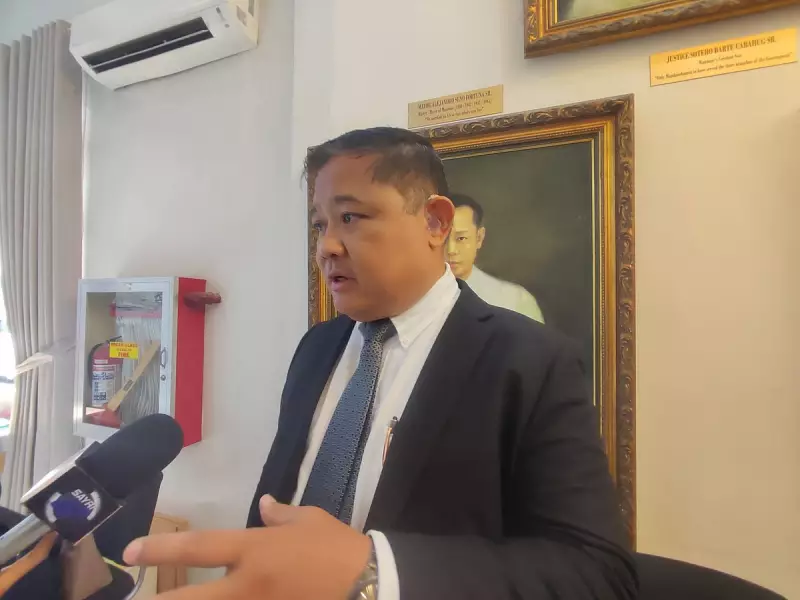
The local government of Mandaue City is taking a proactive step to enhance its disaster preparedness. A proposed ordinance seeks to systematically map all areas vulnerable to hazards and pre-identify residents who would be most at risk when calamities occur.
Proactive Mapping for Multiple Hazards
Councilor Atty. Carlo Fortuna, the proponent of the measure, stated that the ordinance aims to ensure the city is fully prepared for various threats. The primary focus is on storms and flooding, which are the city's top concerns. However, the mapping will also extend to potential earthquake fault lines, zones at high risk for landslides, and communities vulnerable to fires.
Fortuna highlighted past incidents, including fires in densely populated areas, as a key reason for this comprehensive approach. The core objective is straightforward: to make it significantly easier for the city to pinpoint affected families the moment a disaster hits, thereby streamlining the delivery of relief assistance.

Learning from Past Challenges
The councilor pointed to the experience during Bagyong Tino, which affected an estimated 70,000 residents, as a clear example of why this system is needed. During that calamity, the city faced considerable difficulties in quickly verifying who the genuine victims were and assessing the extent of damage to their homes.
This lack of pre-existing data led to significant delays in both the initial response and the subsequent distribution of crucial aid. The new ordinance is designed to prevent a repeat of such scenarios by building a reliable database ahead of time.
Leveraging Technology for Swift Action
To create accurate risk profiles, the city will utilize advanced tools and existing systems. These include Project NOAH for flood-prone areas, geohazard maps from the Bureau of Mines for landslide risks, and the Barangay Monitoring System to locate densely populated communities.
"With these tools, our CDRRMO, BFP, City Planning, and CSWS can easily identify households and families who may be affected by a disaster," Fortuna explained. This pre-identification will also allow responders to know in advance if a household includes persons with disabilities (PWDs), senior citizens, or other vulnerable individuals, enabling them to prepare appropriate aid even before a calamity makes landfall.
A composite team from the mentioned agencies will lead the response, ensuring quick action without the need for lengthy on-the-spot validation during emergencies. "If something happens, it will be easy to identify the affected areas because we already know the families living there," Fortuna said. "The city will be immediately ready to provide assistance."