Mandaue Traffic Agency Ramps Up Legal Measures Against Violators
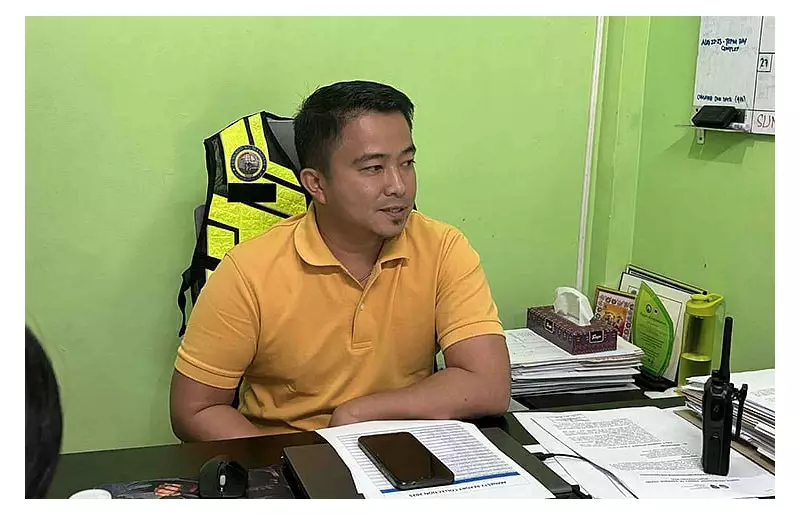
The Traffic Enforcement Agency of Mandaue (Team) has significantly intensified its efforts to file cases against traffic violators, particularly those committing serious offenses, as part of a broader initiative to strengthen road discipline and ensure accountability. According to Team department head Hyll Retuya, the agency has bolstered its legal division to prioritize charging habitual and major offenders, emphasizing that this approach is the most effective way to compel motorists to settle their violations and deter repeat offenses.
Enhanced Legal Framework and Compliance
Retuya highlighted that the consistent filing of cases has led to improved compliance among motorists. "We continue the filing of cases against traffic violators. In fact, our legal division has been strengthened to ensure that those with serious violations are charged," he stated. "This is the only way to compel violators not to repeat their offenses or to properly settle the violations they have incurred. If we do nothing, they will continue to disregard the law."
He noted that violators are now more inclined to voluntarily visit the Team office to pay fines promptly after committing infractions, driven by the awareness that failure to comply will result in legal action. "One of the reasons why traffic violators now voluntarily go to our office to settle their fines is because they know that Team will really file a case if they do not comply," Retuya explained. "The process is now running smoothly, and the filing of cases is already regular."

Streamlined Legal Process and Grace Periods
Under the legal framework, Team is allowed a 60-day period to file a case before it prescribes. Within this timeframe, the agency provides violators with a seven-day grace period to settle their violations. "We make sure to act quickly because it would be a waste if the case simply prescribes," Retuya said. "That is why we give a seven-day grace period for violators to settle their fines before we proceed with filing a case."
He clarified that if a violator pays while a case is being processed, Team immediately forwards the payment to have the case dismissed or withdrawn. "If the violator has already paid, we forward it so the case can be dismissed or withdrawn," he added. "We want to avoid a situation where a person has already settled the violation but still ends up with a warrant."
The agency's automated system ensures that once payment is recorded, the violation is cleared from the database. "This can easily be seen in the system. Once the payment is recorded, the violation is automatically cleared," Retuya noted.
Consequences of Non-Compliance and Prioritization
Violators who fail to attend court hearings after two summonses may face the issuance of a warrant of arrest, indicating a lack of interest in resolving the case. "If the violator does not attend court proceedings twice, that is when a warrant may be issued," Retuya said. "Usually, once a warrant is issued, the violator rushes to settle the fine, and the case is eventually dismissed after payment."
Given the challenges of managing a growing volume of records, Team primarily focuses on filing cases against major violators. "We focus on filing cases against major violators because we are also racing against time," he explained. "There is already a large amount of data, and if it goes beyond two months, it becomes difficult for us to pursue the filing."
Additionally, traffic violators may be compelled to settle unpaid fines when applying for a Team clearance, further incentivizing compliance.
Commitment to Road Safety and Discipline
Team reiterated its unwavering commitment to enforcing traffic laws in Mandaue City, stressing that strict and consistent implementation of legal processes is essential for promoting road safety and discipline among motorists. This proactive stance aims to create a safer and more orderly traffic environment through accountability and legal deterrence.