Mandaue Traffic Agency Awaits LTO Guidance on License Confiscation Ban
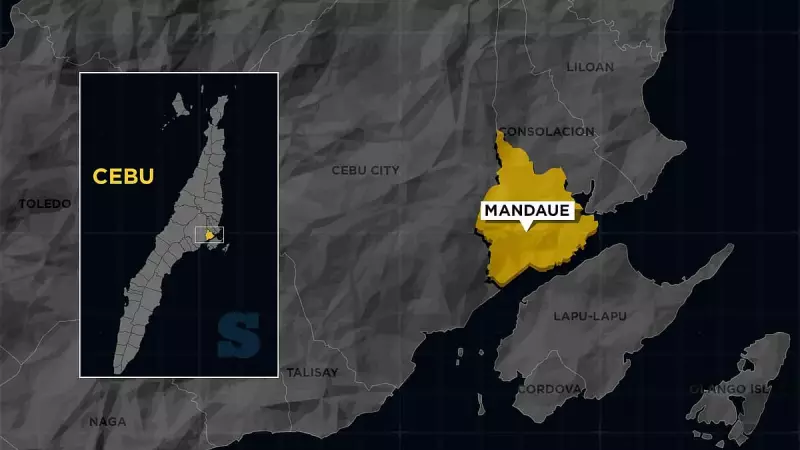
The Traffic Enforcement Agency of Mandaue, commonly known as Team, is currently awaiting official guidance from the Land Transportation Office regarding a recent Department of Transportation memorandum that prohibits the on-the-spot confiscation of driver's licenses for traffic violations. This development has created significant uncertainty in local traffic enforcement operations.
New Policy Implementation and Enforcement Impact
Team head Hyll Retuya confirmed that while the agency continues to issue Traffic Offense Procedures, commonly referred to as TOPs or traffic tickets, enforcement activities have been directly affected by the order issued on January 9, 2026. The Department of Transportation, which oversees the Land Transportation Office, implemented this new policy that fundamentally changes how traffic violations are handled.
"We are still issuing tickets, but under the current ruling, previous citations were recalled. The new policy from the LTO prohibits the confiscation of driver's licenses," Retuya explained during a recent interview. This policy shift represents a significant departure from traditional enforcement methods that have been in place for years.

Revised Violation Processing System
Under the Department of Transportation's new policy framework, a traffic violator's driver's license will no longer be physically taken away on the spot by LTO personnel or their deputized enforcers. Instead of immediate confiscation, the Land Transportation Office will place the violator's license on what they term as "alert" status within their centralized system.
This administrative monitoring means that in the LTO database, the violation will be recorded as unsettled and the license will be tracked through administrative channels. The driver involved in the violation then receives a fifteen-working-day window to settle their traffic fine through proper channels. Failure to resolve the violation within this timeframe can result in automatic license suspension or revocation for a period of thirty days.
Operational Challenges and Material Renewals
Retuya revealed that Team's citation tickets, Traffic Offense Procedures documentation, and official identification cards, which had expired on December 31, 2025, were recalled by the Land Transportation Office even before the end of the previous year. The agency has already processed the renewal applications for these essential enforcement materials and is currently awaiting the issuance of new documentation from the national transportation authority.
However, the more substantial concern, according to Retuya, involves the lack of clarity regarding whether local government unit traffic enforcers will retain the authority to confiscate driver's licenses. He emphasized that this practice has historically been crucial in disciplining traffic violators effectively throughout Mandaue City.
Enforcement Effectiveness Concerns
"As of now, we do not know the final decision, whether they will allow confiscation or strictly follow the rule that licenses should not be confiscated," Retuya stated, highlighting the uncertainty facing local enforcement personnel. He expressed particular concern that the current setup, which permits traffic violations to be settled within fifteen working days, significantly weakens enforcement effectiveness throughout the city.
Retuya personally raised these concerns with Land Transportation Office officials, arguing that this policy change "defeats the purpose" of effective traffic management. "For us in the LGU of Mandaue, deputation is important because it creates fear and discipline among traffic violators," he explained, emphasizing the psychological impact of immediate consequences for violations.

Psychological Deterrent and Practical Implications
The Team head elaborated on the deterrent effect of license confiscation, noting that temporarily taking a driver's license creates immediate inconvenience for motorists, which serves as a powerful discouragement against repeat violations. "In the end, the license is returned. But being apprehended and having your license confiscated on the spot causes hassle. That inconvenience stays in the driver's mind and prevents them from violating traffic rules again," Retuya emphasized.
He further expressed concern that without the authority to confiscate licenses, traffic violators may no longer take enforcement efforts seriously. "With the current situation, violators seem to be laughing at the system. If that is the case, what is the purpose of deputizing us if apprehensions will not result in license confiscation?" he questioned, highlighting the potential erosion of enforcement credibility.
Questioning Deputized Enforcement Effectiveness
Retuya also raised questions about the effectiveness of Land Transportation Office-deputized enforcers who continue to issue Traffic Offense Procedures but are similarly prohibited from confiscating driver's licenses under the new policy. "With due respect to the LTO-deputized personnel issuing TOPs, what is the purpose if the drivers' licenses cannot be confiscated anyway?" he asked, pointing to potential inconsistencies in the enforcement framework.
He stressed that removing the authority of local government unit traffic enforcers to confiscate licenses significantly weakens their operational role and effectiveness in maintaining traffic discipline throughout Mandaue City. This concern reflects broader questions about how local enforcement agencies can maintain order when their traditional tools are restricted by national policy changes.
Awaiting Clear Guidance and Continuing Operations
"As of now, we are still waiting for clear guidance from the LTO on this matter," Retuya concluded, indicating that the Traffic Enforcement Agency of Mandaue remains in a holding pattern regarding enforcement protocols. Until official instructions are formally released by the Land Transportation Office, Team will continue issuing Traffic Offense Procedures while awaiting definitive clarification on enforcement policies.
This clarification is particularly crucial regarding the authority of local government unit traffic enforcers in Mandaue City and how they should implement the new national policy while maintaining effective traffic management throughout the urban area. The situation highlights the ongoing tension between national transportation policies and local enforcement realities in Philippine cities.