Cadiz Mayor Leads Relief Effort for Typhoon-Affected Communities
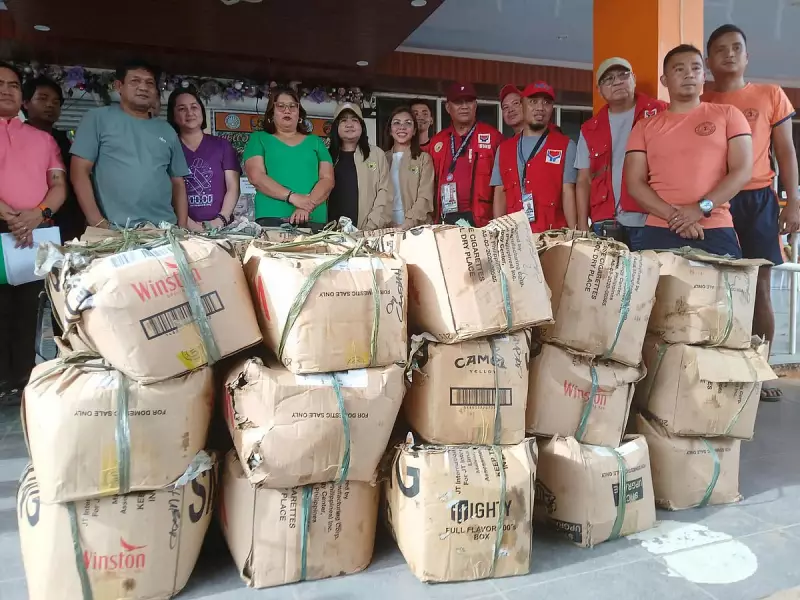
In a significant humanitarian response, Cadiz City Mayor Salvador "Bading" Escalante Jr. has mobilized substantial food assistance for local government units devastated by Typhoon Tino on November 4, 2025. As president of the Negros Occidental Association of Chief Executives (ACE), Escalante coordinated the distribution of 9.6 tons of dried fish (uga) to municipalities grappling with the typhoon's aftermath.
Strategic Distribution Across Multiple Districts
The relief operation specifically targeted the Fourth and Fifth Districts of Negros Occidental, where the typhoon inflicted considerable damage. Each receiving LGU obtained 1.2 tons of dried fish, ensuring equitable distribution of this vital protein source.
The beneficiary areas include:

- Fourth District: Bago City, La Carlota City, and Pulupandan municipality
- Fifth District: Moises Padilla, Isabela, Binalbagan, La Castellana, and Hinigaran towns
Beyond the dried fish provisions, Escalante enhanced the relief package with 20 sacks of rice for each municipality and city, addressing immediate carbohydrate needs for displaced families.
Empathy Driving Action
Mayor Escalante expressed deep understanding of the challenges facing his fellow local chief executives. "I can feel the burden and pain of my fellow mayors, who have thousands of evacuees right now due to Typhoon Tino," he stated. "I know they can survive, but helping them in one way or another will really mean so much to them and their constituents."
The mayor emphasized that dried fish represents both a staple product of Cadiz City and an ideal crisis food source due to its nutritional value, accessibility, and extended shelf life. He noted that the local dried fish industry supports numerous Cadiz families while providing a reliable food option during emergencies, particularly when power outages complicate food storage and preparation.
This coordinated relief effort demonstrates how local government partnerships can effectively address community needs during natural disasters, leveraging regional specialties to provide timely, culturally appropriate assistance to affected populations.