Disaster Preparedness Failure During Typhoon Tino
The Philippines, situated within the Pacific Ring of Fire, faces constant threat from natural disasters, particularly typhoons. Despite this geographical vulnerability, recent events during Typhoon Tino have raised serious questions about the government's commitment to genuine disaster preparedness.
Inadequate Evacuation Centers
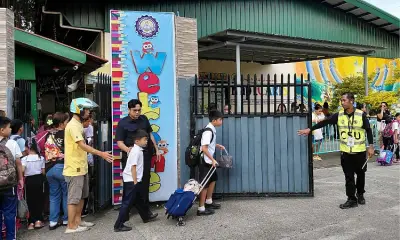
While disaster risk reduction and management councils exist across various regions, their efforts appear superficial. The identification of evacuation centers, primarily schools and basketball courts, often amounts to nothing more than placing signs on buildings never designed for human shelter.
Critical deficiencies plague these evacuation centers - lack of proper toilets, sleeping areas, dining facilities, bathing areas, and garbage disposal systems. Many centers operate without electricity or lighting, forcing evacuees to sleep on concrete floors in cramped conditions.

This situation creates particular hardship for families with sick members, numerous children, and elderly relatives who require special consideration. The absence of adequate food supplies and drinking water compounds the suffering, making these centers unsuitable for temporary habitation.
Mayoral Negligence During Crisis
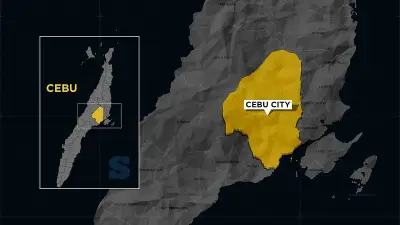
The situation escalated into scandal when several Cebu mayors, despite warnings about Typhoon Tino's approach, proceeded with overseas travel. Among those who traveled abroad were Catmon Mayor Avis Ginoo-Monleon, San Francisco Mayor Alfredo Aquillano Jr., Tudela Mayor Greman Solante, Poro Mayor Edgar Rama, Pilar Mayor Manuel Santiago, Compostela Mayor Felijur Quiño, and Liloan Mayor Aljew Fernando Frasco.
They traveled alongside Congressman Duke Frasco and his wife, DOT Secretary Cristina Garcia-Frasco, while their constituents faced the typhoon's wrath. Although replacement officials remained in their respective towns, the absence of primary leadership during a critical emergency raises serious questions about priorities and responsibility.
Systemic Failures in Disaster Response
Local Government Units (LGUs) typically spring into action when PAGASA issues typhoon forecasts, conducting meetings, inventorying relief supplies, identifying danger zones, and advising residents to prepare. As typhoons approach, forced evacuation orders are issued for residents in high-risk areas.
However, many residents refuse to comply with evacuation orders because they understand the horrific conditions awaiting them in evacuation centers. This resistance stems from firsthand knowledge that these facilities lack basic amenities necessary for human dignity.
The fundamental question remains: why aren't these facilities properly maintained and funded during peacetime, rather than receiving attention only when disasters strike? Why do flood control projects and other initiatives take precedence over ensuring adequate emergency shelters?
Investigation and Accountability
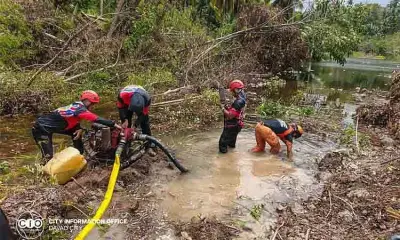
An official investigation has been ordered regarding the mayors' controversial overseas travel during the typhoon emergency. The public awaits explanation about what business could possibly justify abandoning their responsibilities during a natural disaster that ultimately caused significant damage and loss of life.
The tragedy of Typhoon Tino reveals that despite perfect scores on paper for disaster preparedness reports, the reality remains dangerously inadequate. The gap between bureaucratic requirements and ground-level readiness continues to endanger Filipino lives during natural disasters.