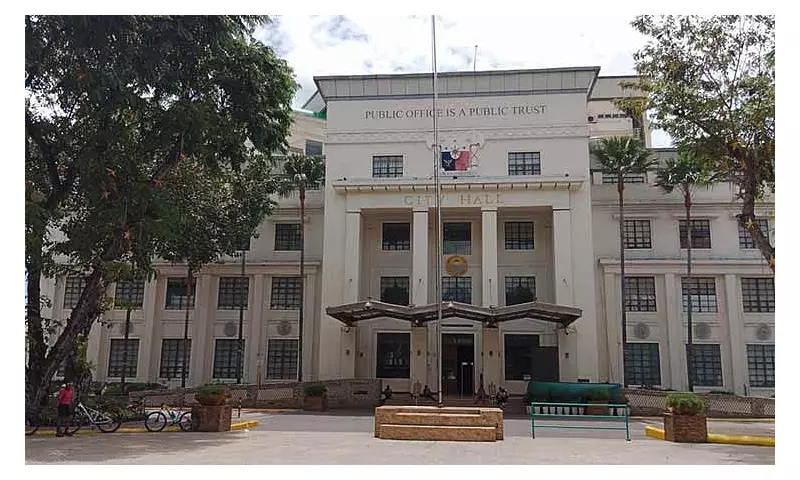
Thousands of health workers in Cebu City who served on the frontlines during the COVID-19 pandemic have yet to receive their legally mandated financial benefits, a city councilor has revealed. This issue persists years after the height of the health crisis, leaving nearly 4,000 individuals awaiting the Health Emergency Allowance (HEA) promised to them by law.
Funds Available, But Distribution Stalled
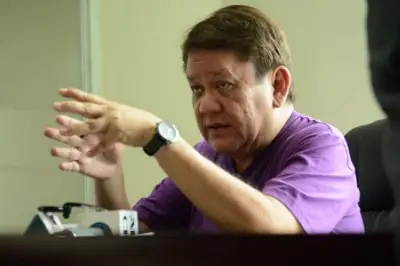
Councilor Pastor "Jun" Alcover Jr. is urging for immediate action to resolve the delay. The core of the problem is not a lack of money. Official records from the Cebu City Treasurer's Office show that the local government received P431,324,718 specifically for HEA disbursement. This local allocation is part of a larger national fund, with the Department of Budget and Management releasing P6.767 billion for these allowances across the country as recently as November.
Councilor Mikel Rama clarified that the city cannot claim it is waiting for national funds, as the money is already in its possession. The delay, he emphasized, goes against the spirit and intent of Republic Act 11712, the law that guarantees these benefits.

Administrative Breakdown Causes Chaos
The primary reasons for the standstill are administrative failures linked to the end of the pandemic emergency. Key offices created to handle the COVID-19 response, such as Project Noah, the Cebu City Quarantine Center, and the Emergency Operations Center, have been dissolved.
"The problem is that our offices submitted their lists to the DOH late. Many offices only existed during the pandemic and have since disappeared, which is why the processing became disorganized," Alcover explained. When these temporary units closed, personnel resigned or moved on, leaving no designated staff to manage and consolidate the crucial payroll lists of qualified recipients.
Redundant Requirements Add to the Wait
Further complicating the process, some city offices continue to demand additional documents from workers who have already been validated by the Department of Health and included on the master list. These requirements include office clearances, service records, and signed undertakings.
Alcover argues that these steps are unnecessary red tape. He contends that for workers already on the approved list, presenting a simple identification card should be sufficient. "Yet up to this day, wa gihapon sila makadawat sa Health Emergency Allowance nga gisaad sa balaod," he stated, highlighting the ongoing injustice.
The Legal Basis and Who is Eligible
Under Republic Act 11712, or the Public Health Emergency Benefits and Allowances for Health Care Workers Act, eligible personnel are entitled to a monthly allowance based on their risk exposure during the pandemic:
- P3,000 for those in low-risk areas (e.g., office-based personnel).
- P6,000 for medium-risk areas (e.g., field workers).
- P9,000 for high-risk areas (e.g., hospitals, direct contact with infectious agents).
These benefits are retroactive to July 1, 2021, and cover a wide range of public and private health workers and support staff, including contractual and job order personnel, nurses, midwives, medical technologists, and registered barangay health workers involved in the pandemic response.
Race Against a December Deadline
The Cebu City Accounting Office and the Treasurer's Office have committed to releasing the outstanding allowances by December 24. To ensure this happens, the City Council has called for an executive session to get clarity on the exact status of the payroll, the amount of unused funds, and the specific steps needed for lawful disbursement.
The city government must now urgently identify all workers still missing from the lists and process their payments through the Management Information and Computer Services system. Failure to meet the year-end deadline would mean prolonging the wait for thousands.
For Councilor Alcover, this is more than a bureaucratic delay. "This is not just delayed paperwork. This is justice… It is only right that this government fulfills its obligation to them," he asserted, framing the payment as a moral and legal imperative for the heroes of the pandemic.