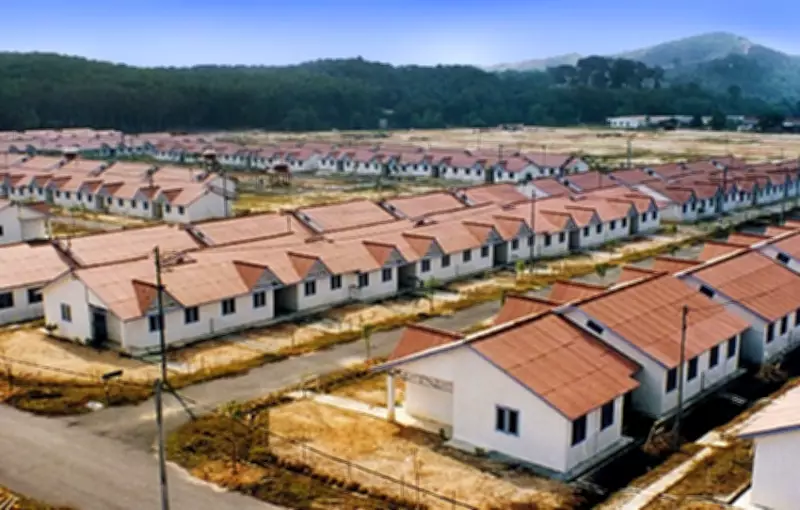
Government Revives Stalled Housing Projects to Benefit 5,000 Filipinos
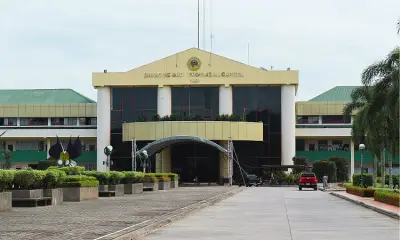
The Department of Human Settlements and Urban Development (DHSUD) has expressed strong confidence that approximately 5,000 individuals will directly benefit from a new initiative implemented under the Expanded Pambansang Pabahay para sa Pilipino (4PH) Program of President Ferdinand Marcos Jr. This optimistic outlook stems from a direct order by DHSUD Secretary Jose Ramon Aliling to the Social Housing Finance Corporation (SHFC), instructing them to revive and prioritize long-delayed housing projects that have remained incomplete for years.
Focus on Completing Interrupted Housing Developments
The primary goal of this strategic move is to resume construction on housing projects that were halted or discontinued due to various reasons. By doing so, the government aims to swiftly address the critical need of many Filipinos for decent and affordable housing. Secretary Aliling emphasized that accelerating these projects is essential to meeting the urgent demand for shelter across the nation.
Caloocan City Projects Take Priority
As a priority in restarting these initiatives, attention will be focused on three stalled vertical housing projects located in Caloocan City. These include:

- The Alyansang Mamamayan ng Caloocan Housing Cooperative
- The Hopeville Phase 2 Homeowners Association (HOA) in Bagumbong
- The Genesis Ville Homeowners Association (HOA) in Camarin
These projects, which consist of 35 low-rise buildings, were initially approved and commenced during the administration of former President Aquino. However, they faced numerous delays over the years, leaving many potential beneficiaries waiting. The revival effort under the 4PH Program seeks to finally bring these developments to completion, providing much-needed homes to thousands of families.
Broader Impact on National Housing Goals
This initiative is part of a larger strategy to enhance the effectiveness and reach of the 4PH Program. By tackling stalled projects head-on, the DHSUD hopes to not only benefit the immediate 5,000 individuals but also set a precedent for efficient project management in future housing endeavors. The move underscores the government's commitment to overcoming bureaucratic and logistical hurdles that have historically plagued public housing efforts in the Philippines.
With this renewed focus, stakeholders are optimistic that more Filipinos will soon have access to safe and sustainable housing, contributing to improved quality of life and urban development in key areas like Caloocan City.