Cebu Provincial Board Approves Creation of Cooperative Development Office
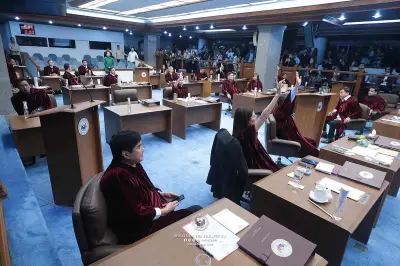
The Cebu Provincial Board has taken a significant step toward enhancing cooperative development by approving on second reading a proposed ordinance that establishes the Provincial Cooperative Development Office. This new office will serve as the central authority for overseeing cooperative development policies, training programs, and monitoring activities throughout the province.
Key Provisions of the Ordinance
Authored by 4th District Provincial Board Member Nelson Mondigo, the measure was approved on Monday, February 16, 2026. It designates the PCDO as the primary body responsible for policy-making, planning, coordination, and implementation of all cooperative development initiatives in Cebu. The office will formulate development plans, provide technical assistance, conduct capability-building programs, and monitor the performance and socio-economic impact of cooperatives.
Structure and Advisory Council
Under the ordinance, the PCDO will be led by a provincial cooperative development officer with department head rank, appointed by the governor and confirmed by the Provincial Board. The office will start with an initial staff of eight positions, including development specialists and administrative personnel. Additionally, a Provincial Cooperative Council will be established as an advisory body, comprising representatives from cooperative federations, unions, primary cooperatives, government agencies, and private sector partners.

Current Cooperative Landscape and Funding
As of June 30, 2025, Cebu has 1,151 registered cooperatives, with 517 remaining active. Among these, six cooperatives hold assets exceeding P1 billion each, and over 100 are classified as large or medium-sized enterprises. The ordinance abolishes the existing cooperatives officer position created in 1992 to make way for the PCDO, emphasizing this is part of a reorganization effort. Initial funding will come from the Office of the Governor, with future budgets integrated into the province's regular financial plans.