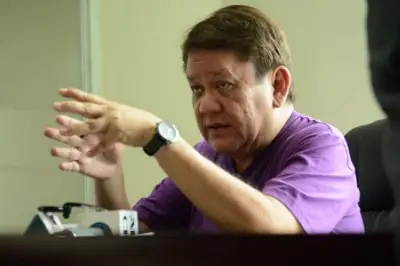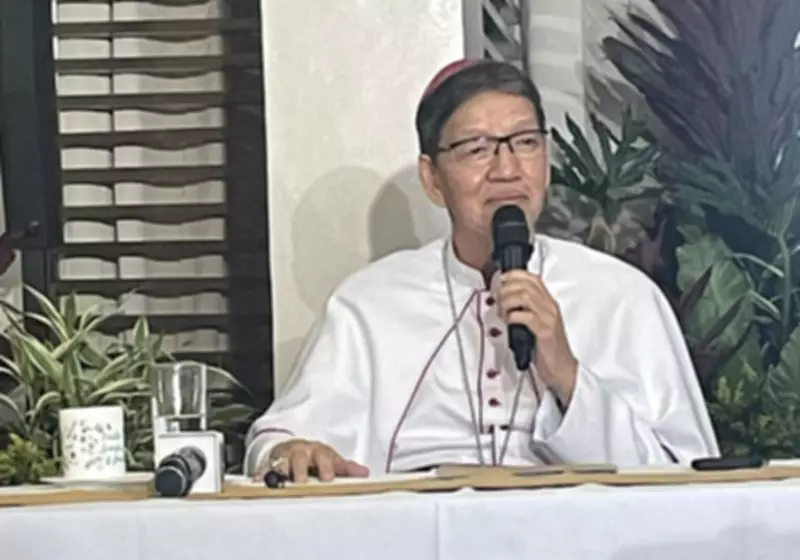
Cebu Archbishop Alberto "Abet" Uy announced that he will deliver the State of the Archdiocese Address (Sotaa) on a regular basis. Speaking on Tuesday, April 28, 2026, hours before presenting his first Sotaa at the Cebu Metropolitan Cathedral, Uy said he has been conducting consultations across the local church since his installation as archbishop.
Uy was installed as Cebu Archbishop on September 30, 2025, and has served the local church for about seven months. The archbishop said consultations are held to determine long-term plans for priests in their assigned parishes, among other goals.
During one consultation with clergy, a priest asked whether Uy's plans would have a timeframe, noting that in the past, some archbishops' plans fell into "nothingness" and were "forgotten."

"Sa among kasinatian, aduna'y mga maayong tinguha unya nanglabay ang mga katuigan, nawala ra man pud," Uy said, recalling the priest's sentiments. (In our experience, there have been good intentions, but as the years passed, they eventually faded away.)
"Nabalaka gyud siya, nga basin kutob ra ni sa maayong plano o maayong tinguha, so mao to nga naabot sa akong huna-huna nga I promise you every year, I will make a report," he added. (He was really concerned that this might end up being just a good plan or good intention, so that led me to say: I promise you, every year I will make a report.)
Uy said the Sotaa would be an avenue for the archbishop to inform the public about the current situation of the archdiocese. Through the address, the public may learn about the state of the clergy, religious persons, faithful, parishes, missions, challenges, and hopes for the future.
He reminded the public not to expect a "bombastic" address, as he is not a political figure but a shepherd of the flock.
In his first Sotaa, Uy covered vocation efforts, the state of the Cebu clergy, liturgical programs, the mission of Catholic schools, evangelization efforts, catechesis, ecclesiastical communities, active participation of the laity, family and life, and youth. Other points included the promotion of care for the environment, the adopt-a-parish and Hatag Paglaum initiatives for earthquake-struck parishes, cultural heritage, interreligious dialogue, and safeguarding of minors and vulnerable adults.