Cebu Hosts 26th ASEAN Summit Amid Waste Management Controversy
The City of Cebu successfully hosted the 26th Association of Southeast Asian Nations (ASEAN) Summit during the past week, marking the second time the city has served as the venue for this prestigious international gathering. This event underscores Cebu's readiness and capability to handle large-scale international conferences, reinforcing its status as a key hub in the Philippines for diplomatic and economic activities.
Historical Context: The Cebu International Convention Center Legacy
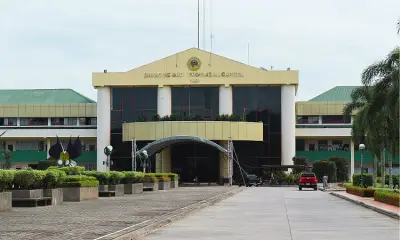
Many residents recall the controversial construction of the Cebu International Convention Center (CICC) in Mandaue City, which was hastily built as the main venue for the 12th ASEAN Summit in 2007. The CICC, known for its leaky roof during rains, has faced challenges from typhoons and earthquakes over the years. Originally sold by the Capitol to the local government of Mandaue, it has since been repurposed as an evacuation center for fire victims and is now being transformed into a new government center for the city, highlighting the evolving uses of such infrastructure post-summit.
Tarpaulin Cover-Up Sparks Public Outcry
During the 2026 ASEAN Summit, the public noticed that several areas in the South Road Properties (SRP), particularly near Barangay Pasil in Cebu City, were adorned with ASEAN-themed tarpaulins. This move was widely interpreted as an attempt to conceal the accumulated waste in Pasil from the view of foreign delegates. Delegates traveling to the main summit hotel would have passed by the piled-up garbage along the coastal area of Pasil, raising concerns about the city's waste management practices during such a high-profile event.

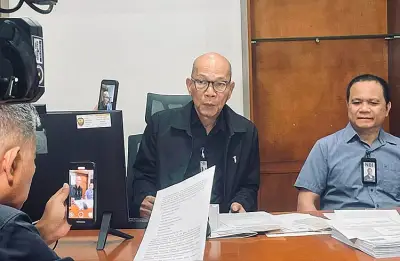
Cebu City Mayor Nestor Archival has denied that the city government was responsible for placing these tarpaulins, attributing the action to the Department of Public Works and Highways (DPWH). He emphasized that the city's priority remains focused on cleaning efforts and implementing sustainable waste management solutions. According to Mayor Archival, the tarpaulins were intended to manage the situation temporarily during the international summit, not to hide the waste from public scrutiny.
Ongoing Waste Crisis and DPWH's Response
The summit took place following a tragic incident at the Binaliw landfill on January 8, where a garbage slide claimed at least 36 lives. This disaster highlighted the severe waste management problems plaguing Cebu City. In the search for alternative landfill sites, the DPWH's decision to use tarpaulins as a solution has been met with criticism. Many argue that covering the waste with tarpaulins is merely a superficial fix that does not address the root causes of the garbage accumulation.
Mayor Archival pointed out that the waste piling up in the coastal waters of Pasil is distinct from the garbage collected within the city. This debris has been dumped from the Guadalupe River and carried into the Pasil estuary for over 25 years, indicating a long-standing environmental issue. The mayor revealed that the DPWH has deployed four backhoes daily to excavate the waste, but clearing the area in a short timeframe has proven challenging. He reiterated that the tarpaulins were part of a strategy to handle the situation during the summit, though critics argue that the difference between managing and hiding the waste is negligible.
This controversy sheds light on the broader challenges of waste management in urban areas like Cebu, where rapid development and international events often clash with environmental and infrastructural limitations. The debate continues as stakeholders call for more permanent and effective solutions to ensure the city's cleanliness and sustainability for future events.