Cebu Capitol East Wing Renovation Advances with NHCP Design Submission
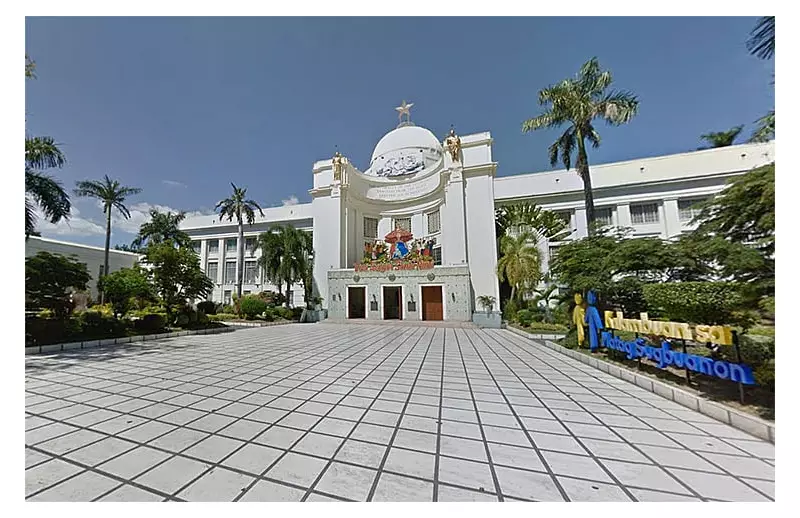
The Cebu Provincial Government has taken a significant step forward in its planned renovation of the historic Capitol building by submitting detailed design documents to the National Historical Commission of the Philippines (NHCP). This submission focuses on transforming the east wing into the official Office of the Governor, marking a crucial phase in preserving this declared National Historical Landmark.
Compliance with Heritage Standards
Assistant Administrator Aldwin Empaces confirmed that the submission on Monday, January 19, 2026, complies with all requirements following the NHCP's conceptual approval granted in December 2025. Final clearance from the commission is still required before any interior refurbishing can commence on the governor's future office, which will be located on the second floor of the historic structure.
Empaces emphasized that the NHCP clearance process allows the commission to recommend adjustments even during ongoing work, particularly through site inspections, to ensure strict compliance with heritage conservation standards. "Plans on paper are different from what is seen during an actual site inspection, so adjustments may still be required," Empaces explained in a mix of Cebuano and English.

Expert Consultation and Project Scope
To guarantee proper conservation procedures, the Provincial Government has engaged heritage consultant Jobers Bersales and architect Robert Malayao. Their expertise will guide the renovation to maintain the building's historical integrity while creating functional modern office spaces.
Following the east wing renovation, a portion of the adjacent hallway that has long suffered from leaks will undergo repairs. However, project designs for this hallway work have not yet been submitted. The Provincial Government aims to complete both the second-floor renovation and roof repairs within the year, addressing significant deterioration that has affected the structure.
NHCP's Formal Response and Inspection
In a letter dated December 23, 2025, NHCP Chairman Regalado Trota Jose Jr. acknowledged receipt of the Capitol's renovation request and accompanying plans. He reminded provincial officials that "any form of modification, intervention, or demolition is strictly prohibited without prior approval from this Commission" under the National Cultural Heritage Act of 2009.
Jose personally inspected the Capitol on December 5, 2025, examining multiple areas including the conference room, governor's temporary office, original west wing office, dome, and main entrance. During his visit, he described the structure as "maganda, na-preserve, malinis at maayos, maaliwalas (beautiful, well-preserved, clean and orderly)."
The NHCP chairman noted that his evaluation team found the proposed interior renovation acceptable since most works are moderate in scope and limited to refurbishing and interior improvements. However, he clarified that approval applies only to the conceptual plan, as accompanying documents still require proper signatures from the Provincial Engineering Office and Office of the Governor.
Political Context and Legal Challenges
The renovation project was initiated by Governor Pamela Baricuatro's concern over the Capitol's deteriorating condition. However, she now faces a complaint filed with the Office of the Ombudsman-Visayas by former Capitol consultant Byron Garcia, brother of former governor Gwendolyn Garcia who lost to Baricuatro in the May 2025 elections.
Garcia alleges that Baricuatro authorized the P2.6 million renovation project without securing required NHCP clearance, potentially violating both the National Cultural Heritage Act and the Anti-Graft and Corrupt Practices Act. He claims the renovation involved demolition of ceiling, roof, and walls without proper heritage permits.
The NHCP has requested photo documentation of existing conditions and copies of duly approved development plans before project implementation, ensuring thorough review and formal approval processes are followed. This careful approach balances preservation needs with necessary modernization of this important historical landmark.