The proposed transit station near the Cebu Provincial Capitol highlights the ongoing tension between urgent public transportation upgrades and the legal mandates of historical preservation.
The bigger picture
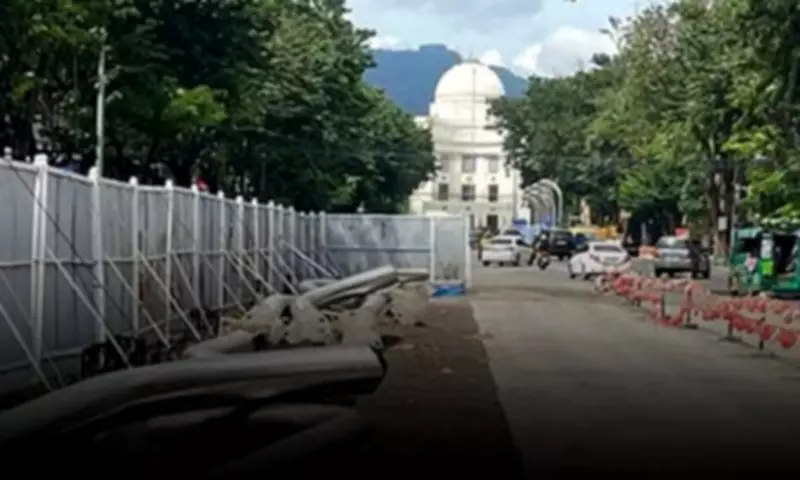
The Cebu Provincial Board (PB) recently formalized an objection to the proposed location of a Cebu Bus Rapid Transit (CBRT) station directly in front of the Provincial Capitol. The objection centers on preserving the clear line of sight to the Capitol building, a National Historical Landmark declared in 2008 and protected under the National Cultural Heritage Act.
The National Historical Commission of the Philippines (NHCP) initiated this review by requesting the Provincial Government's official stance on the project. The Department of Transportation (DOTr), which leads the transit initiative, originally designed the station for the median of Osmeña Blvd. Transit officials maintain that a median station ensures operational efficiency. They also note that major design deviations could jeopardize the project's World Bank funding.

Despite design modifications that reduced the station's height from 4.7 meters to 3.0 meters and its width from 6.5 meters to 3.7 meters, provincial officials remain unconvinced. The historical commission previously suggested moving the lanes to the curbside to avoid obstructing the Capitol's facade. In its assessment, the PB emphasized that height reduction alone fails to mitigate the visual obstruction or protect the building's architectural significance.
Why it matters
This dispute illustrates the complex legal and logistical hurdles of building modern infrastructure in historically significant corridors. The Provincial Government owns the road stretching from the Capitol down to Fuente Osmeña Circle, giving local officials a strict legal mandate to protect the site's heritage value.
The PB supports the broader transit system but views the Capitol station's current placement as an unacceptable threat to a protected visual corridor. Shifting the station canopies to the sidewalk could preserve the historical vista, but officials acknowledge this compromise risks degrading the transit system's efficiency. Furthermore, the World Bank flagged the project for delays and unmet targets in late 2025, adding financial pressure to the ongoing design debate.
What to watch
The Provincial Government is now pushing to declare Osmeña Blvd. as contiguous to the Capitol landmark. This designation would require all future developments along the boulevard to undergo strict evaluation by the historical commission to ensure compliance with heritage laws.
With a target completion date set for late September 2026, the transportation department faces a shrinking window to finalize a compromise. The immediate challenge is engineering a design solution that satisfies both the Provincial Government and national heritage laws without triggering a withdrawal of international funding. The final decision will likely set a precedent for how municipalities balance rapid urban modernization with the conservation of national historical assets.

Timeline of key events
- First quarter of 2023 – Groundbreaking for CBRT Package 1 begins under the DOTr.
- Feb. 27, 2024 – Then-Gov. Gwendolyn Garcia orders a halt to construction specifically in front of the Capitol bus station over heritage concerns.
- March 2024 – The Cebu PB and the National Commission for Culture and the Arts, led by Chairman Victorino Manalo, raise objections and require approvals before the resumption of construction.
- Dec. 2025 – The World Bank flags project delays, unmet targets and risks.
- Feb. 10, 2026 – The NHCP, through Chairman Regalado Trota Jose Jr., seeks Cebu's official position on the Capitol Station.
- Feb. 13, 2026 – Gov. Pamela Baricuatro endorses the request to the PB.
- April 13, 2026 – The Cebu PB approves the committee report led by Paz Rozgoni opposing the station's location.
- Sept. 30, 2026 – Target completion date of the CBRT project under World Bank funding.