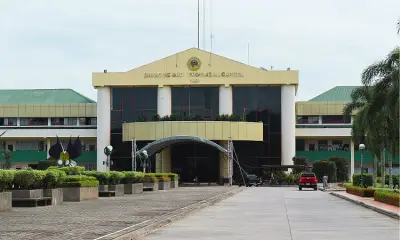
Cebu City Vice Mayor Tomas Osmeña has issued a directive requiring all City Hall personnel to shut off government vehicle engines while parked or on standby, a move aimed at conserving fuel in response to escalating gasoline prices. This policy, which has received approval from Mayor Nestor Archival, underscores the local government's commitment to prudent resource management during economic challenges.
Strict Compliance and Disciplinary Measures
In a letter dated March 10, 2026, Osmeña emphasized that the engine-idling restriction is mandatory for all offices and personnel assigned to government vehicles. Failure to comply could result in disciplinary action, reinforcing the seriousness of this energy-saving initiative. "This measure is encouraged especially in light of the recent increase in gasoline prices and in keeping with the government’s commitment to prudent resource management," Osmeña stated.
Expanding Energy Conservation Efforts
Mayor Archival, in an interview on March 9, 2026, revealed that the City Government is implementing broader energy-saving strategies beyond vehicles. Starting at 12 noon, air-conditioning units at Cebu City Hall will be turned off, and lights—including those in elevators—will be gradually switched off by 4 p.m. daily. Archival highlighted the cumulative impact of these small actions, noting that a similar policy previously saved the City approximately P80,000 per month before his tenure as mayor.

Monitoring Market Prices and Preventing Profiteering
In addition to fuel and electricity conservation, Archival has ordered the City Legal Office to reactivate a special task force dedicated to monitoring market prices. This task force will collaborate with the Department of Trade and Industry to ensure fair pricing of basic goods, addressing concerns over supply chain disruptions and rising transport costs that contribute to inflation.
National Context and Broader Implications
These initiatives in Cebu City align with the national government's ongoing efforts to conserve energy resources amid geopolitical tensions in the Middle East, which have led to volatile fuel markets. By promoting efficiency at the local level, the city aims to set an example for sustainable practices while mitigating financial strain on public funds.
The combined measures—from vehicle engine policies to office energy cuts and market oversight—demonstrate a proactive approach to resource management, potentially inspiring other municipalities to adopt similar strategies in the face of global economic pressures.