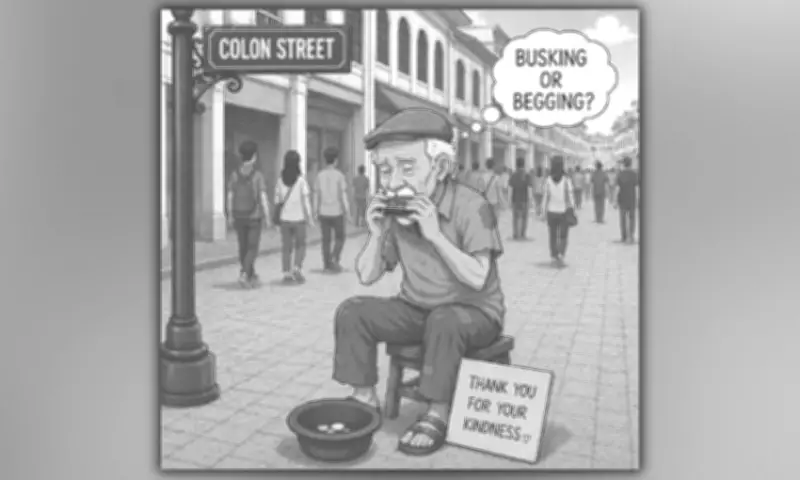
The controversial arrest of a 68-year-old harmonica player on Colon Street in Cebu City has prompted the filing of a new ordinance aimed at changing the city's approach to caring for the poor, abandoned, homeless, and vulnerable senior citizens. The proposed measure seeks to shift from punishment to intervention and increased social care.
New Ordinance Filed
Cebu City Councilor Pastor Alcover Jr. recently filed the proposed "Cebu City Vulnerable Senior Citizens Protection, Care, and Livelihood Ordinance of 2026" following extensive public discussion about the arrest of Ireneo Vidal. Vidal's situation sparked anger, pity, and debate across the nation.
Vidal was arrested by personnel of the Cebu City Anti-Mendicancy Office (Ccamo) after he was found playing the harmonica on Colon Street while accepting small donations from passersby. Videos and posts about his arrest quickly spread on social media, with many netizens condemning the unjust enforcement of the Anti-Mendicancy Ordinance against a senior citizen struggling to survive.

Need for a More Humane Approach
In the explanatory note of the ordinance, Alcover stated that the incident revealed a great need for a more humane, peaceful, and rights-based approach to addressing poverty and hardship among the elderly. The ordinance aims to establish a comprehensive program of protection, assistance, welfare, shelter, and livelihood for the poor, abandoned, homeless, neglected, abused, and economically vulnerable senior citizens in Cebu.
Key Provisions
Among its main provisions are the prohibition of unnecessary arrest, detention, or imprisonment of senior citizens for acts related to their livelihood and survival efforts. Under the proposed ordinance, seniors cannot be arrested solely for begging due to hunger; playing music or engaging in harmless artistic expression in public places; sleeping in public places due to homelessness; selling small items to survive; or wandering due to abandonment and lack of shelter.
The ordinance also prohibits public shaming, ridicule, verbal abuse, and the use of excessive force against seniors during rescue and enforcement operations. Instead of punishment, the ordinance mandates humanitarian intervention, requiring that vulnerable senior citizens found in public places be immediately referred to the Department of Social Welfare Services (DSWS) for proper assistance.
Types of Intervention
The intervention includes temporary shelter, food aid, medical assistance and hospitalization, psychosocial intervention, transport assistance, family tracing, emergency financial aid, livelihood assistance, and legal assistance when needed.