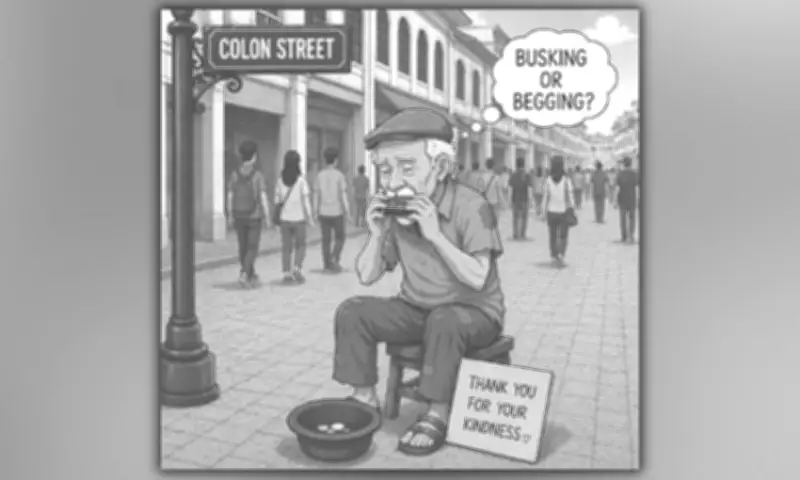
The controversial arrest of a 68-year-old harmonica player in downtown Cebu City has prompted a proposed ordinance seeking to overhaul how the City handles indigent, abandoned, homeless and vulnerable senior citizens, by shifting the approach from punitive enforcement to humanitarian intervention and long-term social care.
Proposed Ordinance
City Councilor Pastor Alcover Jr. recently filed the proposed “Cebu City Vulnerable Senior Citizens Protection, Care and Livelihood Ordinance of 2026” following the highly publicized arrest of Ireneo Vidal, whose case sparked widespread outrage, sympathy and nationwide debate.
Cebu City Anti-Mendicancy Office (CCAMO) personnel apprehended Vidal after seeing him play the harmonica and receive small donations from passersby along Colon St. The elderly man insisted he was not begging, saying he was only trying to earn money to buy food for his three-year-old grandson. Videos and online posts of the arrest quickly went viral, drawing sharp criticism from netizens over the harsh implementation of the anti-mendicancy law against a struggling senior citizen.

Humane Approach
In the explanatory note of the proposed measure, Alcover said the incident exposed an urgent need for a more humane, compassionate and rights-based approach to addressing poverty and the plight of vulnerable elderly persons. Poverty, homelessness, abandonment, hunger and old age should never be treated as crimes, the proposed ordinance said.
The proposed measure seeks to establish a comprehensive protection, assistance, welfare, residential care and livelihood program for indigent, abandoned, homeless, neglected, abused and economically vulnerable senior citizens in Cebu City.
Core Protections
The measure prohibits the unnecessary apprehension, detention, handcuffing or jailing of senior citizens for acts related to poverty and survival. Under the proposal, senior citizens cannot be arrested solely for begging due to hunger, performing music or public art, sleeping outdoors because of homelessness, vending small items for survival or roaming due to abandonment. It also prohibits public humiliation, ridicule, verbal abuse and excessive force against elderly persons during operations.
Instead of punitive action, the measure mandates humanitarian intervention, requiring that vulnerable senior citizens found in public places be referred immediately to the Department of Social Welfare Services (DSWS) for proper assistance. This intervention includes temporary shelter, food aid, medical care, psychosocial support, transportation, family tracing, emergency funds, livelihood aid and legal assistance. The ordinance also seeks to establish a Senior Citizens Humanitarian Response Desk under DSWS to operate a rescue hotline and monitor the welfare of homeless elderly persons.
Care Community
A key component of the proposal is the establishment of the Cebu City Home for the Aged and Senior Care and Livelihood Community, envisioned as a long-term residential and rehabilitation facility for vulnerable senior citizens. Unlike traditional shelters, the community will function as a senior citizens village to promote active aging through gardening, farming, arts, music, wellness programs and light livelihood activities. The ordinance proposes establishing the facility on City Government properties in mountain barangays, including Budlaan, Busay, Guba, Lusaran, Pamutan, Sinsin and Kalunasan, for therapeutic agricultural activities. The facility will provide shelter, nutritious meals, medical care, counseling, wellness programs and livelihood opportunities.

Enforcement Training
Alcover said the ordinance recognizes that senior citizens are individuals deserving of respect, protection, compassion and opportunities to live meaningful and dignified lives rather than burdens to society. The measure requires law enforcers — including police officers, barangay tanods, Cebu City Transportation Office personnel and anti-mendicancy operatives — to exercise maximum tolerance and prioritize humanitarian intervention over arrest. It mandates training on senior citizen rights, encourages using body cameras during operations, and penalizes personnel liable for unlawful apprehension, excessive force, or unauthorized detention. According to Alcover, the measure aims to ensure that no elderly person in Cebu City is treated as a criminal simply because of poverty and old age.