Cebu Governor Reforms Provincial Action Center with New 72-Hour Service Mandate
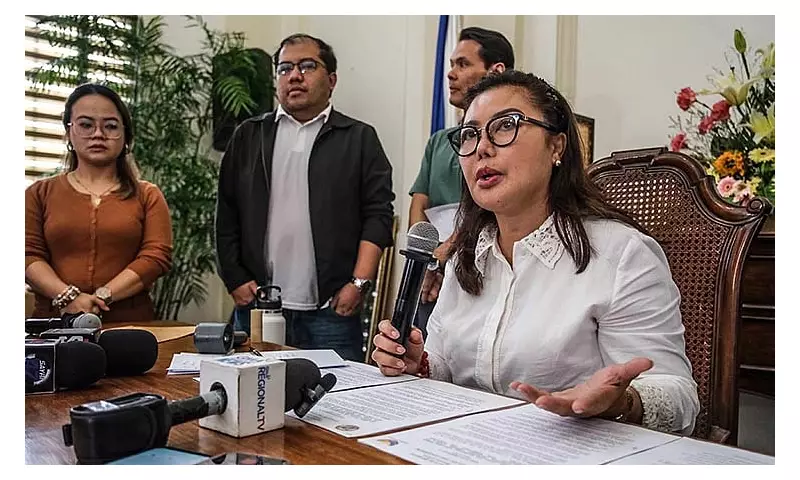
In a decisive administrative move, Cebu Governor Pamela Baricuatro has reconstituted the Cebu People's Action Center (CPAC) and implemented a stringent 72-hour service resolution rule. This action comes directly after the Provincial Board (PB) declined to allocate separate funding for the center, citing significant legal and procedural issues that required immediate attention.
Executive Order 83 Establishes New Framework
Under the newly issued Executive Order (EO) 83, Series of 2025, CPAC has been formally placed under the direct supervision of the Office of the Governor. This strategic repositioning designates CPAC as the province's centralized hub for communications, complaints-handling, and feedback mechanisms. Notably, it also reaffirms its critical role as the provincial 8888 Citizens' Complaint Center, ensuring streamlined public service delivery across Cebu.
The order was officially noted during the Provincial Board's first regular session for 2026, held on Tuesday, January 20, marking a pivotal moment in the province's governance structure.

72-Hour Rule Imposes Strict Timelines
A key provision of the executive order mandates that all Capitol offices must provide a resolution, concrete action, or clear status update on any complaints received within a strict 72-hour window from receipt. This rule aims to enhance accountability and efficiency in addressing public concerns, setting a new standard for provincial responsiveness.
Ruben Licera, the head of CPAC, emphasized that this reconstitution effectively addresses gaps identified in the earlier EO 5. By clearly defining the center's roles, functions, and responsibilities, and moving it from the Provincial Information Office (PIO) to the Office of the Governor, the new structure aligns CPAC more closely with where most provincial directives originate, ensuring better coordination and execution.
Provincial Board's Funding Decision Explained
The Provincial Board's earlier decision to withhold separate funding for CPAC was rooted in legal considerations. The PB argued that without a formal ordinance creating CPAC as an independent office, it could not legally appropriate a standalone budget. Historically, CPAC operated as a program under the PIO, lacking its own staffing, mandate, or organizational structure—key elements required under budgeting rules to ensure clarity on personnel, functions, and accountability lines.
Since CPAC was functioning under the PIO, the PB concluded that its funding should appropriately remain within the PIO or the Office of the Governor, rather than being allocated as a separate budgetary item. This led to the removal of CPAC's separate budget from the 2026 spending plan, with the P14 million initially intended for the center being transferred to the Office of the Governor after it was determined that CPAC remained a program rather than a formally established office.
Enhanced Operations as a 24/7 Multichannel Platform
Now operating as an integral part of the governor's office, CPAC will function as a round-the-clock multichannel platform. It will feature a centralized ticketing and tracking system to manage complaints and feedback efficiently. Additionally, CPAC is tasked with mobilizing volunteers for various provincial programs and emergencies, as well as coordinating with all provincial departments to ensure seamless service delivery.
All provincial offices have been directed to designate focal persons to work closely with CPAC and to comply rigorously with the 72-hour response rule. This move is expected to strengthen inter-departmental collaboration and improve overall public service outcomes in Cebu.