Cebu Mandates Public Waste Dashboards for Transparency and Accountability
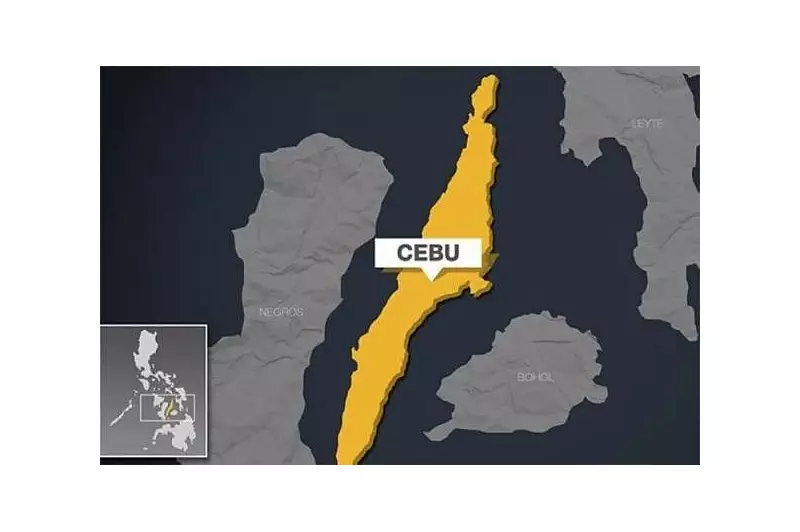
Governor Pamela Baricuatro of Cebu has taken a bold step toward enhancing environmental governance by issuing Executive Order (EO) 3, Series of 2026 on Sunday, January 25. This landmark order requires all barangays, cities, and municipalities across the province to publicly disclose comprehensive waste management data. The initiative establishes the Provincial Cleanliness and Waste Management Plan and creates a Provincial Solid Waste Management Board to oversee a framework focused on reduction, segregation, and transparent reporting.
Transition to Data-Driven Environmental Management
This executive order marks a significant shift from traditional, ad hoc cleanup efforts to a measurable, data-driven approach in environmental protection. By institutionalizing a province-wide framework, the Provincial Government aims to standardize waste management practices, ensuring that every local unit is evaluated using consistent metrics. This move addresses a common governance gap where intentions are clear but progress remains difficult to verify without centralized, accessible data.
High Stakes for Public Health and Tourism
The primary motivations behind this mandate are the protection of public health and the preservation of Cebu's reputation as a premier tourist destination. The stakes involve multiple critical areas:

- Public Health and Ecosystems: The plan seeks to safeguard coastal and marine ecosystems from improper waste disposal while reducing health risks associated with poor sanitation.
- Economic Reputation: As a tourism-heavy province, Cebu's economic vitality is closely tied to its cleanliness. The order mandates regular sanitation audits and public ratings for beaches, ports, and markets.
- Institutional Transparency: By creating a provincial public cleanliness dashboard, the government makes local performance visible to citizens, increasing pressure on officials to comply with waste laws.
Standardized Tracking Through Public Dashboards
The most significant requirement of EO 3 is the mandatory Public Cleanliness and Waste Management Dashboard. These displays, which can be digital or physical, must provide the public with clear indicators of community performance. Required metrics include:
- Litter counts and density in public spaces.
- Compliance rates for waste segregation among households and businesses.
- Specific metrics for recycling and composting efforts.
- Cleanliness ratings for key tourism assets such as heritage areas and parks.
These indicators will determine the allocation of technical and financial support from the Provincial Government, effectively linking funding to proven cleanliness outcomes.
Challenges and Future Outlook
The success of this initiative hinges on transitioning from short-term visible reductions to long-term behavioral changes. Over the next six to 12 months, observers should monitor the full operationalization of local task forces and the initial data appearing on public dashboards. The Provincial Solid Waste Management Board, led by Governor Baricuatro and Provincial Administrator Joseph Felix Mari Durano, will likely face challenges in ensuring that rural barangays have the technical capacity to maintain these datasets. The ultimate test will be whether this public pressure leads to a genuine decrease in waste generation over the next three to five years.