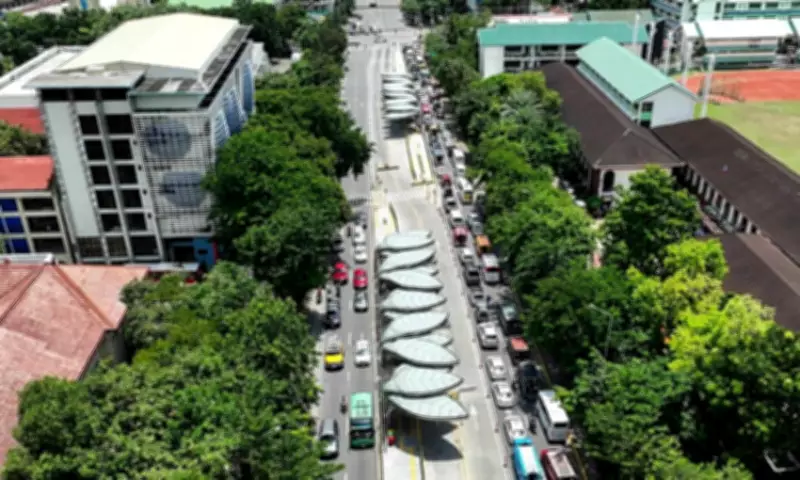
Cebu City Mayor Reports Positive Traffic Results from CBRT Shared Lanes
Cebu City Mayor Nestor Archival has revealed that initial observations from the implementation of shared lanes along the Cebu Bus Rapid Transit (CBRT) corridor are yielding positive outcomes, particularly in reducing traffic congestion along the dedicated lanes. While acknowledging that the system is not yet perfect, Archival emphasized that the flow of public utility jeepneys (PUJs) has become significantly more organized since the lanes were introduced.
Orderly Flow and Future Plans
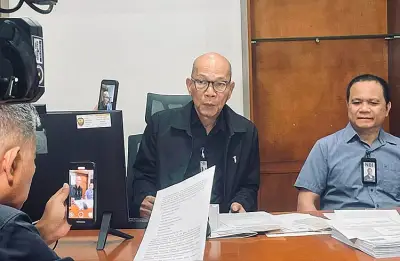
In a press conference held on Tuesday, March 31, 2026, Mayor Archival stated, "Our drivers and our PUJ vehicles are orderly, not 100 percent, but they are orderly." He is now exploring the possibility of establishing dedicated lanes for public utility vehicles (PUVs) along the north and south corridors, specifically in Talamban and Bulacao, to further enhance traffic flow. Archival plans to commission a feasibility study to assess the allocation of exclusive lanes for public transport in these areas, noting that such measures could effectively address congestion while prioritizing mass transportation.
Challenges and Enforcement
Despite the progress, challenges persist, with private vehicles illegally entering the dedicated CBRT lanes. Archival stressed that these lanes are intended solely for PUVs and should not be used by unauthorized cars. He disclosed that a number of private vehicles have already been apprehended for violating lane restrictions, and many drivers caught in the act have personally visited his office to seek forgiveness or consideration. Archival emphasized that stricter enforcement is necessary to maintain order in the dedicated lanes and ensure the efficient operation of public transport systems.

Original Vision and Expansion
Urban planners originally envisioned the CBRT system as a longer corridor connecting Bulacao in the south to Talamban in the north. The plan called for dedicated busways spanning much of the city's main transport artery, linking residential areas in Bulacao and surrounding barangays to major commercial and employment centers in downtown and uptown Cebu, including Talamban. This Bulacao-to-Talamban route has long been central to public transport proposals for Cebu and was included in early feasibility designs for the BRT project. Archival believes that the proposed study on expanding dedicated lanes to other major corridors could further strengthen Cebu City's transport system as the CBRT project continues to evolve.