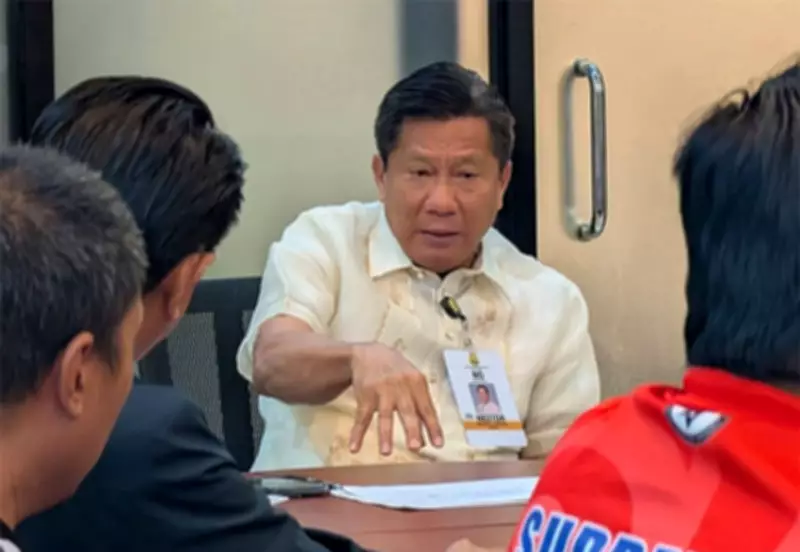
Cebu City Mayor Nestor Archival has strongly defended the city's proposed P981.9-million Supplemental Budget 1, asserting that the additional funds are essential to address pressing operational requirements and urgent community needs, including garbage collection, fuel assistance, and water supply during an anticipated dry spell.
Addressing Critical Operational Demands
Archival emphasized that the budget was meticulously studied over the past month to ensure it meets the city's immediate challenges. "These budgets are truly important because they are necessary to ensure the continuation of the City's services," he stated, highlighting the role of the funds in maintaining public welfare and infrastructure.
Waste Management Challenges
A major component of the supplemental budget focuses on waste management, where costs have surged due to the relocation of the disposal site from Binaliw to Aloguinsan. Initially allocated around P500 million, expenses have doubled, prompting the need for additional funding to prevent service disruptions. Archival noted public dissatisfaction when waste was temporarily stored at the South Road Properties, underscoring the urgency. "We will not allow our city to become dirty," he affirmed, stressing the commitment to continuous garbage collection.

Support for Transport and Infrastructure
Beyond waste, the budget allocates approximately P35 million for fuel assistance programs to aid the transport sector grappling with rising fuel costs. Archival also addressed funding for previously approved projects that were removed but had already been awarded, emphasizing the city's contractual obligations. "It's only logical that we pay for this since it has already been delivered and there is a contract in place," he explained. Additionally, funds are set aside for rehabilitating artesian wells to mitigate water shortages expected during the dry spell.
Securing Funding Through Realignment
Archival confirmed the availability of funds, sourced from reprogrammed projects under the Local Development Fund. Through consultations with barangay captains and the Cebu City Development Council, excess allocations from prior projects were identified and realigned to current priorities. The CCDC's recommendation to formulate an Annual Investment Program provided the basis for the supplemental budget, which was then submitted to the City Council for deliberation after executive approval.
Navigating Procedural Scrutiny
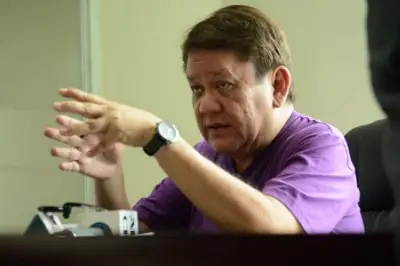
The mayor's defense comes in response to concerns raised by Vice Mayor Tomas Osmeña, who questioned the lack of detailed explanations and limited review time for councilors. Although Osmeña attempted to suspend the budget hearing for further scrutiny, the committee proceeded. Archival maintained that the proposal followed proper procedures, involving discussions with department heads, the CCDC, and the executive branch before council transmission. "I respect the vice mayor's sentiment, but we really have a process to follow for this," he concluded, reaffirming the budget's alignment with governance standards.