Cebu Vice Mayor Osmeña Opposes Council Probe into Landfill Landslide, Advocates for Practical Waste Solutions
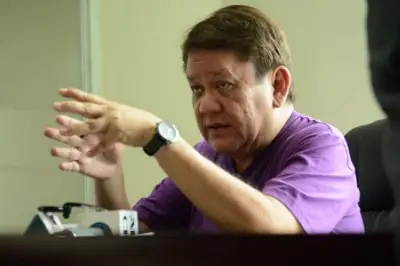
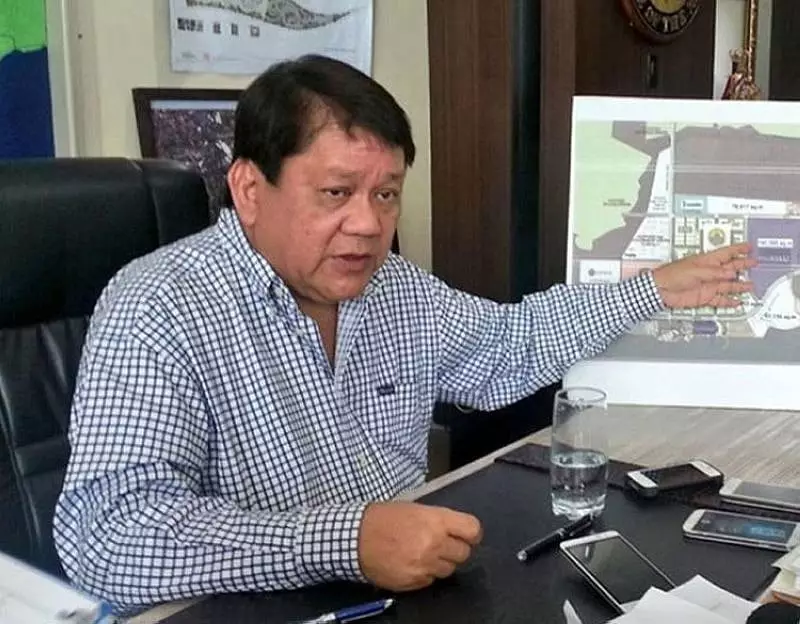
Cebu City Vice Mayor Tomas Osmeña has firmly rejected the idea of a council-led investigation into the recent landslide at the Binaliw landfill, arguing that such a move would not resolve the city's pressing waste management issues. During a press conference held on Thursday, January 22, 2026, Osmeña emphasized that the landslide resulted from technical problems under the jurisdiction of the Department of Environment and Natural Resources (DENR), making a public hearing an inadequate response.
Osmeña Criticizes Investigation as Ineffective for Complex Technical Issues
Osmeña explained that calling for a public hearing would not solve the underlying problems, noting that even with his extensive experience as a former mayor, he could not easily address the issue, let alone ordinary citizens. He highlighted that factors such as waste movement and the landfill's foundation conditions are complex technical matters that cannot be discussed or resolved through a simple public forum.
Vice Mayor Slams Government Procurement Delays and Proposes Leasing Garbage Trucks
In his remarks, Osmeña also criticized the slow pace of government procurement processes, which he said exacerbate waste collection delays. He pointed out that when garbage trucks break down, replacement vehicles are often delayed due to bureaucratic hurdles, leading to piled-up trash in barangays. To tackle this, Osmeña suggested that the city consider renting or leasing garbage trucks from private suppliers.

Under his proposal, these trucks would come with drivers and regular maintenance, allowing the city to bypass lengthy bidding processes and ensure uninterrupted waste collection in communities. This approach aims to provide a more efficient and reliable solution to the ongoing garbage disposal challenges.
Osmeña Advocates for Incinerator Construction to Reduce Costs and Risks
Additionally, Osmeña proposed that Cebu City should build its own incinerator at the South Road Properties (SRP) to directly burn waste. He argued that this step would lower disposal costs and prevent risks associated with overflowing existing dumpsites. By implementing an incinerator, the city could manage its waste more sustainably and reduce environmental hazards.
Concerns Over Rising Costs and Impact on City Funds
Osmeña expressed concern about the potential increase in city expenses if waste is transported to distant locations like Bogo or Aloguinsan, due to the distance involved. He warned that such costs could affect funding for essential programs, including scholarships, the operation of the Cebu City Medical Center (CCMC), hospitalization assistance, and other medical initiatives. This highlights the broader financial implications of inefficient waste management strategies on public services.