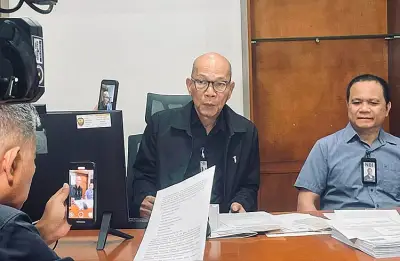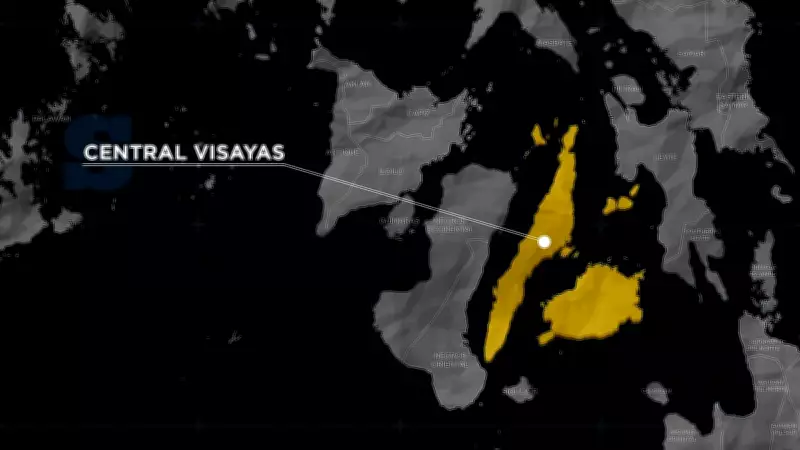
The Regional Development Council in Central Visayas (RDC 7) is taking decisive steps to streamline bureaucratic processes and enhance regional efficiency. In its inaugural full meeting of the year, the council has formally approved a request directed at the National Government to establish a dedicated Department of Transportation (DOTr) regional office specifically for the Visayas region.
Breaking the Manila Bottleneck
The primary objective behind this initiative is to mitigate the persistent delays that stem from centralized decision-making in Manila. By relocating decision-makers closer to the region, local officials aim to expedite long-stalled projects that critically impact daily travel and commercial activities. This strategic move is expected to address the bottlenecks that have hindered progress in transportation infrastructure.
Accelerating Flagship Projects
A regional DOTr office would play a pivotal role in accelerating five flagship projects in Central Visayas, which have faced significant delays under the current centralized management. These projects include:

- Cebu Bus Rapid Transit (BRT): A modern system designed to overhaul Cebu City's congested roadways.
- New Cebu International Container Port: A project aimed at enhancing cargo efficiency and boosting maritime trade.
- Bohol-Panglao International Airport: Upgrades intended to support the resurgence of tourism in the area.
- Cebu Public Transport Modernization: A comprehensive plan to upgrade older public utility vehicles and improve commuter routes.
- Cebu Urban MRT Central Line: A major rail line projected to alleviate traffic congestion in Metro Cebu.
Enhancing Travel and Safety
In addition to the DOTr office request, the council is advocating for swifter action on the Lapu-Lapu Coastal Road Project. It has urged the Department of Public Works and Highways (DPWH) to advance the proposal to secure the billions of pesos required for construction. This road is viewed as a crucial solution to the heavy traffic issues plaguing Mactan.
Infrastructure improvements are not confined to major highways. The RDC 7 has also greenlit a P6.5-million street lighting project for the town of Medellin. This initiative leverages a policy where communities hosting energy facilities receive a direct share of electricity sales. Officials emphasize that the street lights are designed to enhance safety and foster economic activity in rural areas during nighttime hours.
Implications for Regional Autonomy
This development signifies a notable shift toward greater regional autonomy, with decision-making authority being placed closer to the communities directly affected by major infrastructure projects. If the National Government issues an executive order to establish the regional office, it could represent a transformative turning point.
Such a move would effectively bridge the gap between national policy and local needs, potentially accelerating the development of essential infrastructure like roads, ports, and rail systems in Central Visayas. This proactive approach underscores a commitment to fostering regional growth and improving the quality of life for residents through more responsive governance.