Davao del Sur Hospital and DSWD Forge Alliance to Boost Crisis Assistance
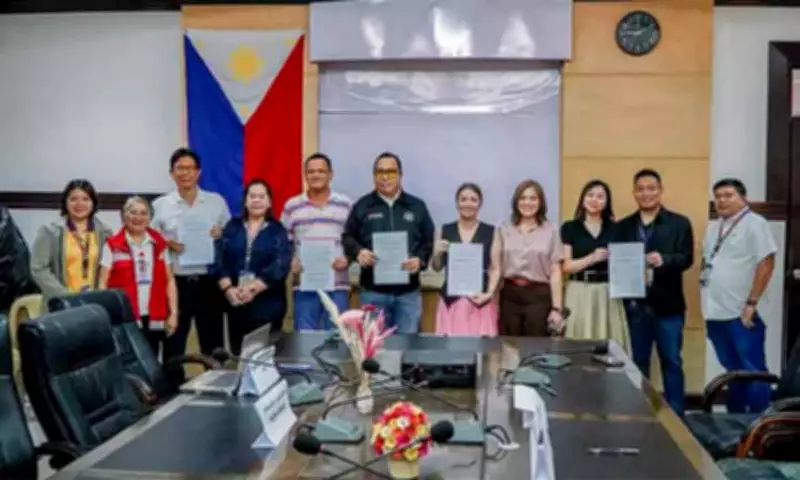
In a significant step to reinforce support for vulnerable communities, the Davao del Sur Provincial Hospital (DSPH) and the Department of Social Welfare and Development-Davao Region (DSWD-Davao) have officially entered into a collaborative agreement. The Memorandum of Agreement (MOA) was signed on February 3, 2026, at the Davao del Sur Provincial Capitol located in Matti, Digos City, marking a strengthened commitment to integrated service delivery for impoverished patients and DSWD beneficiaries throughout the province.
Key Signatories and Enhanced Coordination
The agreement was formally executed by prominent officials, including Provincial Governor Yvonne R. Cagas, DSWD-Davao Regional Director Rhuelo Dalilis Aradanas, and DSPH chief, Dr. Jaime Marcelo Razo. Under this new framework, both agencies will work closely to improve coordination in medical and social initiatives, streamline referral processes, and ensure faster assistance for individuals and families facing crisis situations. This partnership aims to create a more responsive system that addresses urgent needs effectively.
Focus on the AICS Program and Its Impact
Officials emphasized that the MOA is designed to enhance the organization and speed of delivering medical assistance through DSWD programs, particularly the Assistance to Individuals in Crisis Situation (AICS). This frontline social protection initiative of the national government serves as a critical safety net, providing immediate and temporary aid to those affected by various crises. Support includes financial, medical, educational, burial, transportation, and food assistance, all based on assessments by DSWD social workers.

The AICS program has a substantial reach, assisting millions of Filipinos annually, with over 8.2 million individuals receiving aid in 2025 alone. By establishing a formal link between DSPH and DSWD, the MOA seeks to make these services more accessible, efficient, and tailored to the needs of distressed residents in Davao del Sur, especially those dealing with medical emergencies and socio-economic hardships.
National Context and Benefits of Collaboration
Similar partnerships have been implemented nationwide, with DSWD engaging hundreds of hospitals and service providers to improve medical aid delivery under the AICS. These collaborations enable health institutions to recognize guarantee letters issued by DSWD for medical services, ensuring that funds are directed toward treatment costs without delays from reimbursements. This approach not only accelerates support for beneficiaries but also reduces administrative burdens on patients and their families during challenging times.
Governor Cagas highlighted the shared mission of public service between the provincial government and DSWD, stating that this initiative eases the strain on vulnerable individuals. The partnership is expected to foster a more organized referral network, reduce waiting times for assistance, and improve follow-through on patient needs, which is crucial for marginalized sectors where health emergencies can escalate into deeper crises.
Looking Ahead: A Model for Efficient Service Delivery
By institutionalizing this partnership, local authorities and DSWD are paving the way for a more efficient and compassionate response system. This move underscores the importance of inter-agency cooperation in addressing the complex needs of communities, particularly in regions like Davao del Sur where timely intervention can prevent further social and financial distress. The agreement sets a precedent for enhanced public service delivery across the Philippines.