DILG Issues Alert on 'Award for a Fee' Scams Targeting Local Officials
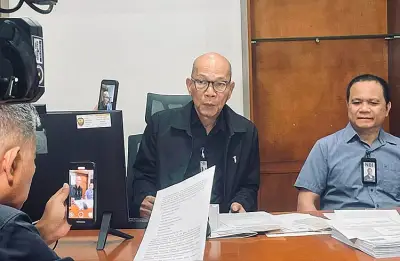
The Department of the Interior and Local Government (DILG) has raised a red flag over a concerning trend where numerous mayors across the Philippines are falling victim to what is colloquially known as an "award for a fee" scheme. This deceptive practice involves offering mayors prestigious titles, such as "most outstanding mayor," in exchange for substantial payments, exploiting their desire for recognition and public acclaim.
The Modus Operandi of the Scam
The scam operates through a seemingly legitimate process. Mayors are approached and informed that they have passed certain assessments and are eligible for an award that highlights their achievements in public service. The allure is heightened by promises that their names will be published on websites and promoted globally, enhancing their reputation.
Upon initial contact, the focal person from the awarding body showers the mayor with congratulations, emphasizing that not all mayors qualify—only those who pass their assessments. This creates a sense of exclusivity and urgency. The mayor is then provided with a form to fill out and a contact number to schedule an awarding ceremony in Manila.

Eager to showcase their supposed success, many mayors quickly order tarpaulins and place advertisements in local newspapers to announce their award, often spreading the news across their municipalities and neighboring areas. Some even go as far as publishing ads to reinforce the perception of their accomplishments.
The Financial Trap and Its Consequences
The critical moment arrives when the focal person reveals that there is a fee of P250,000 to be paid as part of the award package and ceremony. At this point, mayors who have already publicly announced their award feel pressured to proceed, fearing embarrassment if they withdraw. In some cases, they resort to seeking funds from contractors or suppliers to cover the cost.
After payment, mayors await the awarding rites in Manila, expecting high-profile officials to attend. However, the legitimacy of these events is often questionable, leading to widespread complaints from affected mayors to the DILG.
DILG's Response and Warnings
In response to the influx of complaints, the DILG has taken decisive action. First, the department clarified its position by listing 11 DILG-managed assessments, awards, and incentives, distancing itself from what it describes as "lima-singko" or dubious awards that are actively promoted on social media.
The DILG issued a stern warning to all local officials, urging them to exercise prudence and not blindly trust organizations offering awards. Officials are advised to thoroughly vet the awarding body by examining its track record, the criteria used for selection, and the profiles of its members. The department emphasized that in today's digital age, scammers and fraudsters are increasingly prevalent, making due diligence essential.
Implications of the DILG Warning
The DILG's advisory has several key implications for local governments:
- Non-Recognition: Awards from unverified bodies are not recognized or honored by the DILG, and their legitimacy must be scrutinized.
- Ineligibility for DILG Awards: Such fraudulent awards cannot be used to qualify for DILG-managed recognitions, such as the Seal of Good Governance.
- Financial and Reputational Risk: If the awarding body is exposed as a scam, awardees face not only financial loss but also public humiliation, as their money is wasted on illegitimate honors.
This situation underscores the importance of vigilance in the public sector, as scams targeting officials can undermine trust and waste valuable resources. The DILG continues to monitor such activities and encourages mayors to report any suspicious offers to prevent further exploitation.