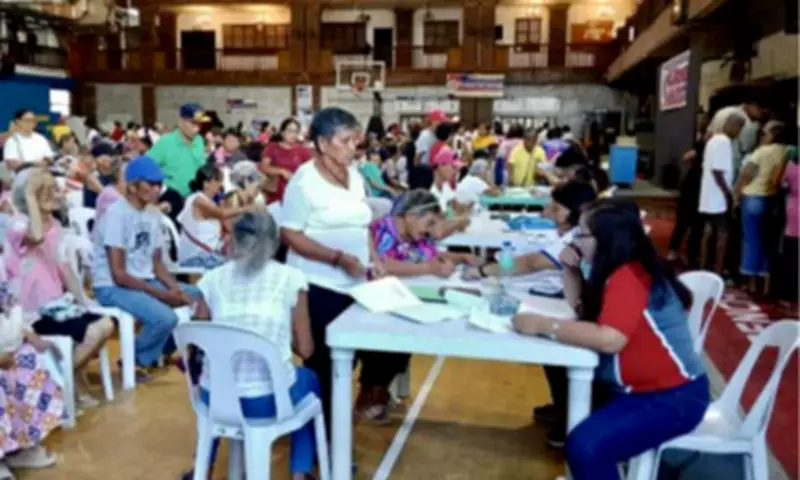
The Department of Social Welfare and Development (DSWD) has issued a crucial clarification regarding the identification requirements for indigent senior citizens claiming their social pension. While the Philippine Identification System (PhilSys)-issued National ID remains the primary document, the agency confirms that other valid government-issued identification cards remain acceptable for pension distribution.
Flexible Implementation for Vulnerable Seniors
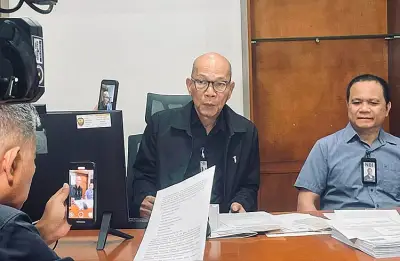
In an official statement, DSWD spokesperson Assistant Secretary Irene Dumlao emphasized the department's commitment to ensuring no eligible senior citizen faces unnecessary barriers in accessing their much-needed financial assistance. "While the National ID is indeed the primary requirement, our seniors can still utilize other valid government-issued IDs," Dumlao explained. "What matters most is that their identities can be properly verified so they can continue receiving their social pension without interruption."
Understanding the Importance of Social Pension
The DSWD recognizes the critical role these pension payments play in the lives of vulnerable elderly citizens. "We understand how vital the social pension is for purchasing medicines and food for our senior citizens," Dumlao stated, highlighting the program's significance in supporting basic needs and medical requirements for the elderly population.

Presidential Directive for Accessible Support
The department's flexible approach aligns with President Ferdinand R. Marcos Jr.'s directive to provide immediate assistance to vulnerable sectors, including senior citizens, while making government programs more accessible. "Our grandparents can rest assured they won't encounter difficulties in obtaining their benefits," Dumlao affirmed. "The DSWD exists to ensure that necessary government assistance reaches those who need it most."
Comprehensive List of Accepted Identification
The DSWD has specified numerous acceptable secondary identification documents for senior citizens who haven't yet obtained their National ID. These include:
- Office of the Senior Citizen Affairs (OSCA) ID
- Philippine Health Insurance Corporation (PhilHealth) ID
- Pantawid Pamilyang Pilipino Program (4Ps) ID
- Integrated Bar of the Philippines (IBP) ID
- Overseas Workers Welfare Administration (OWWA) ID
Additional acceptable identification includes:
- Voter's ID
- Driver's License
- Overseas Filipino Worker (OFW) ID
- Postal ID
- Tax Identification Number (TIN) ID
- Persons with Disabilities (PWD) ID
- Social Security System Unified Multi-Purpose ID (SSS-UMID)
- Government Service Insurance System (GSIS) e-card
- Solo parent ID
- Seaman's book
- Professional Regulation Commission (PRC) ID
Any government-issued identification bearing the holder's complete name, photograph, and address will be considered valid for pension claims.
Recent Distribution and Ongoing Collaboration
The clarification comes following recent pension distributions, including one in Laoag City, Ilocos Norte, where senior citizens received PHP3,000 each under the Social Pension for Indigent Senior Citizens program. The DSWD continues working closely with the Philippine Statistics Authority to assist pension beneficiaries in registering for the National ID system while maintaining accessible alternatives.
Program Significance and Impact
The Social Pension program represents one of DSWD's key social protection initiatives, providing essential financial assistance to elderly individuals who are frail, sickly, or lack regular income sources or family support. Through this vital program, the DSWD helps ensure vulnerable senior citizens can meet their daily subsistence and medical needs, contributing to a more dignified and secure quality of life during their later years.
The department's Facebook announcement on Saturday reinforced that indigent senior citizens without National IDs will not be denied benefits as long as they or their representatives can present any valid government-issued identification. This policy ensures continuity of support while the National ID system implementation progresses nationwide.