Dumanjug Mayor Prepared to Enact Presidential Four-Day Work Week Directive
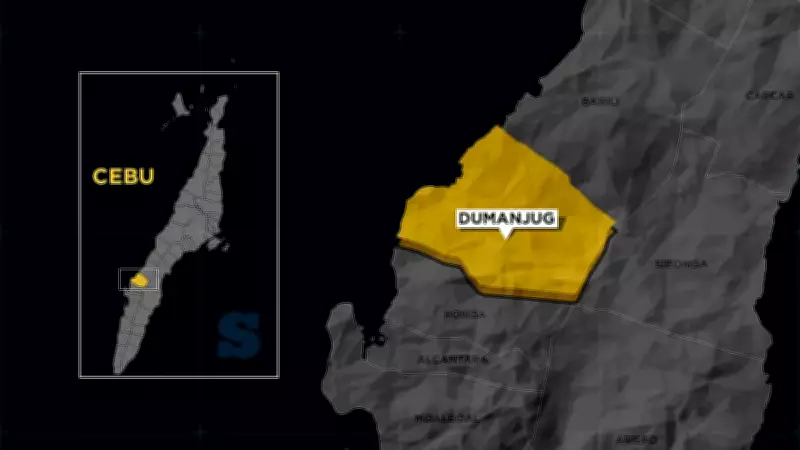
In response to escalating global fuel prices triggered by Middle East tensions, the municipality of Dumanjug is poised to implement President Ferdinand Marcos Jr.'s directive for a four-day work week for government office employees. Mayor Efren Guntrano "Gungun" Gica announced his readiness to adopt this measure, despite not having yet received or reviewed the official memorandum from the president.
Mayor's Commitment to Implementation
"If there is an order, I'm pretty sure it has been thoroughly studied by the advisers and departments under the executive branch of our country, so I think I'm bound and I think I'm very willing to implement it because we know the difficulties of the times," Mayor Gica stated. He emphasized that this reduction in workdays will significantly help conserve resources for employees grappling with economic challenges.
Mayor Gica further explained that rising petroleum costs in the market, driven by ongoing Middle East conflicts, inevitably lead to increased prices of goods and commodities. The four-day work week is seen as a strategic move to alleviate financial strain on government workers and promote efficiency.

Assurance of Uninterrupted Public Services
Despite the shift, Mayor Gica assured residents that the Dumanjug local government's operations and basic services will not be compromised. He highlighted that there is no reduction in the budget for personal services, as these are critically needed by both the people of Dumanjug and its employees during this period. This commitment aims to maintain the quality and accessibility of essential public offerings while adapting to economic pressures.
Highway Patrol Group's Stance on Fuel Conservation
Meanwhile, the Highway Patrol Group (HPG)-7 has already initiated programs to reduce fuel consumption, independent of the four-day work week directive. Police Lieutenant Colonel Wildemar Tiu, chief of HPG-7, clarified that their unit has not been ordered to adopt the shortened work schedule, as they serve as frontliners for the government.
"Even before the increase in gasoline prices, our office had already taken steps to conserve fuel," Tiu noted. He assured that their enforcement of anti-carnapping laws and traffic regulations, where they are deputized by the Land Transportation Office (LTO), will remain unaffected by any broader policy changes.
This development underscores a localized response to national economic strategies, balancing employee welfare with public service integrity in the face of global market disruptions.